
The Financial Case for Replacing a Failing AC in September Instead of Spring
If your aging air conditioner barely survived peak summer heat, nursing it another year is risky. Understand why a fall transition upgrade offers distinct advantages.

The Hidden Risks of Waiting: Why Surviving August Isn't Enough
Is your aging air conditioner actually broken—or just barely limping past the finish line? Understanding the financial case for replacing a failing AC in September instead of spring is critical if your system struggled through the brutal peak heat. Homeowners often breathe a sigh of relief when August ends, but an overworked, failing compressor remains a ticking clock. If your unit required constant monitoring, multiple service calls, or simply failed to keep the indoor temperature comfortable during the hottest weeks of the year, ignoring the problem until next year is a risky strategy.
Many property owners in Livingston, TX, assume that once the worst of the summer heat breaks, their cooling system is safe for another year. However, the damage sustained during those peak operational months does not magically reverse itself. The internal components of your compressor have likely suffered significant wear and tear. Choosing to nurse a dying system through the end of the year often leads to unexpected breakdowns at the most inconvenient times.
The core decision point you face right now is whether to continue paying for temporary band-aid repairs or to invest in a full system upgrade during the slower fall transition. By securing reliable air conditioning services now, you ensure uninterrupted comfort for the remainder of the warm season while unlocking flexible financing options that are often more accessible outside of peak emergency periods.
The Compounding Costs of Late-Season Band-Aids
When evaluating the health of your cooling equipment, it is essential to shift your perspective from "saving money by waiting" to "wasting money on inefficiencies." The relative costs of keeping a dying system running add up rapidly during the September fall transition / shoulder season. An aging air conditioner does not just struggle to cool your home; it consumes significantly more electrical power to achieve even mediocre results.
The Hidden Penalty of Decreased Efficiency
The problem: Older, struggling units experience a sharp decline in their Seasonal Energy Efficiency Ratio (SEER) over time. As parts wear out, friction increases in the blower motor, and refrigerant lines may develop micro-leaks. The cause: The system is forced to run longer cycles to remove the same amount of heat and humidity from your indoor air. The solution: Upgrading to modern equipment stops this daily financial drain, immediately lowering your utility bills even as the lingering heat persists.
Listening to the Warning Signs
The problem: End-of-summer symptoms are serious warning signs, not just temporary quirks. The cause: When an air conditioner turns on and off rapidly without ever fully cooling the house, the compressor is under immense strain. The solution: Understanding why your AC short cycles can prevent you from throwing good money at a doomed compressor. Addressing these symptoms before a total mechanical failure gives you the upper hand in the replacement process.
Applying the "5,000 Rule" to Your System
Industry professionals often use a generic gauge known as the "5,000 rule" to help homeowners determine when a repair is no longer a sound investment. To use this formula, multiply the age of your equipment in years by the estimated cost of the necessary repair. If the resulting mathematical product exceeds 5,000, it is generally recommended to replace the unit rather than fix it. This rule highlights the cumulative, unpredictable expenses of emergency fixes and contrasts them with the controlled, predictable nature of a planned replacement.
Why the Shoulder Season is the Ideal Installation Window
Timing your HVAC replacement strategically can dramatically improve the quality of your installation experience. The HVAC "shoulder season" is the transitional period in early autumn when the extreme heat subsides, but the freezing winter temperatures have not yet arrived. During the September fall transition / shoulder season, emergency repair calls drop significantly across the industry.
What Lower Emergency Volume Means for You
Unrushed scheduling: Because technicians are no longer rushing from one no-cooling emergency to the next, they have much more availability. This allows for flexible scheduling that respects your personal calendar, rather than forcing you to wait days for an available appointment. Meticulous installation: The peace of mind that comes from having a dedicated installation team focused entirely on optimizing your new high-efficiency system cannot be overstated. A proper installation involves complex calculations, precise refrigerant charging, and careful ductwork integration. An unhurried technician can perform these critical steps with absolute precision.
Avoiding the Spring Rush
Replacing a system now avoids the panic and potential wait times associated with a sudden breakdown during the first unexpected heatwave next spring. When the first hot day of the year hits, local HVAC companies are immediately overwhelmed with calls from homeowners whose ignored systems failed to start. By acting in the fall, you bypass this chaotic bottleneck entirely.
Immediate Relief for the Extended Cooling Season
It is important to remember that East Texas cooling seasons extend deep into autumn. A September installation provides immediate efficiency relief because the heat hasn't fully retreated yet. You will actively benefit from the improved cooling performance and superior humidity control of your new unit during the lingering warm days, rather than letting a brand-new system sit idle all winter.
Maximizing Value Through Off-Season Incentives
Upgrading your air conditioning system is a significant investment in your property, but the timing of that investment can heavily influence your overall return. The September fall transition / shoulder season opens the door to multiple layers of financial benefits that simply are not available during the peak summer rush.
Strategic Financial Benefits of a Fall Upgrade
• Long-term energy reduction: Upgrading to a modern, high-efficiency model can significantly reduce cooling energy costs over the entire lifespan of the system. The leap in technology over the past decade means that today's base models often outperform the premium models of the past.
• Generic federal tax credits: Homeowners who upgrade to qualifying high-efficiency heat pumps or air conditioners may be eligible for generic federal energy efficiency tax credits. Completing your installation before the end of the calendar year allows you to claim these benefits on your upcoming tax return. (Always consult a qualified tax professional to confirm your specific eligibility).
• Local utility incentives: Many regional utility providers offer incentive programs to encourage energy conservation. These programs frequently reward homeowners who proactively replace outdated, power-hungry equipment with modern alternatives.
• Manufacturer and installer promotions: Because the off-season is slower, manufacturers and local installers often offer seasonal promotions to encourage proactive replacements. These incentives are designed to keep installation crews busy during the transition months.
When you combine reduced monthly utility bills, potential tax credits, utility incentives, and off-season promotional offers, the financial window for replacement becomes highly favorable. Waiting until your system completely breaks down forces you to forfeit many of these strategic advantages.
Proactive Financing: Taking the Sting Out of System Replacement
One of the most significant barriers to replacing an aging air conditioner is the fear of a large, unexpected expense. When a unit dies completely in the middle of a July heatwave, the psychological and financial stress of scrambling to pay for a reactive emergency replacement is immense. Homeowners in Livingston, TX, often feel backed into a corner, forced to choose whatever equipment is currently sitting in a warehouse just to get the cool air flowing again.
Shifting from Reactive to Proactive
Preserving your choices: Shifting to a proactive mindset changes the entire dynamic of the purchase. When you plan a replacement in the fall, you have the time to carefully research and choose the best equipment for your long-term needs. You are not forced to settle for a mismatched system simply because it is the only unit available on short notice.
Strategic Cash Flow Management
Protecting your savings: Upgrading your home's infrastructure does not have to mean draining your emergency savings account. Spreading the investment out over time preserves your household cash flow while immediately delivering the benefits of lower energy consumption and reliable comfort. The money you save on reduced utility bills and eliminated repair costs can be redirected toward your monthly system investment.
Partnering with the Right Professionals
A seamless transition: As a strategic partner dedicated to your home's long-term comfort, Lyons AC & Heating offers flexible HVAC financing options that turn a stressful emergency into a planned, value-driven home upgrade. Leveraging available financing makes the transition seamless and stress-free, empowering you to make a confident decision without the pressure of a ticking clock.
Spring vs. Fall: A Side-by-Side Comparison of AC Replacement Timing
To fully grasp the advantages of a planned off-season installation, it helps to look at the logistics side-by-side. The September fall transition / shoulder season provides clear benefits over waiting for the inevitable spring rush.
• Technician Availability — Fall Replacement Strategy: High availability; crews are unhurried and can accommodate flexible scheduling. — Spring Replacement Strategy: Low availability; high competition for appointments due to sudden early-season breakdowns.
• Emergency Risk — Fall Replacement Strategy: Eliminated. You remove the threat of a breakdown before the lingering heat ends. — Spring Replacement Strategy: High. The old unit is highly likely to fail on day one of the new cooling season.
• Financial Leverage — Fall Replacement Strategy: High. Optimal time for controlled financing and leveraging seasonal promotional offers. — Spring Replacement Strategy: Low. Often forces reactive, premium-priced emergency decisions with limited options.
• Tax Incentives — Fall Replacement Strategy: Immediate. Installations completed by year-end allow you to claim benefits on current-year taxes. — Spring Replacement Strategy: Delayed. Spring installations require waiting an entire year to claim applicable tax benefits.
• Inventory Selection — Fall Replacement Strategy: Excellent. Full access to a wide range of high-efficiency models and brand options. — Spring Replacement Strategy: Variable. Potential inventory shortages during the first major regional heatwave.
The logistical and financial scales tip heavily toward a planned autumn upgrade. By acting now, you retain complete control over the process, the equipment selection, and the financial structure of the investment.

Protecting Your Investment Before Heating Season Begins
While the focus of a September replacement is naturally on resolving your cooling issues, this transitional period is also the perfect time to evaluate your entire home climate system. A new air conditioning installation in Livingston, TX, provides an excellent opportunity to inspect and prepare the heating components for the upcoming winter months.
A Fresh Start for Your Ductwork and Airflow
Comprehensive calibration: When a professional installation team replaces your outdoor compressor and indoor evaporator coil, they must also ensure that the system's airflow is perfectly balanced. This means starting fresh with a system that is fully calibrated for both the end of the cooling season and the upcoming winter. Proper calibration prevents cold spots in your home and ensures that your furnace or heat pump will operate at peak efficiency when the temperatures finally drop.
The Importance of Ongoing Care
Securing your warranty: Protecting this new, high-efficiency investment requires ongoing professional care. Once your new system is installed, it is the perfect time to enroll in a preventative maintenance plan. Routine maintenance is not just a suggestion; it is a critical requirement that ensures the new system retains its high efficiency over the years. Furthermore, consistent professional maintenance validates manufacturer warranties, protecting you from out-of-pocket expenses if a factory defect ever occurs.
Frequently Asked Questions About Fall AC Replacement
Homeowners often have specific questions regarding the timing and financial logic of replacing an AC system during the September fall transition / shoulder season. Here are clear, expert answers to the most common inquiries.
Is fall really the best time to replace an air conditioner?
Yes, the shoulder season offers better scheduling flexibility and avoids the emergency rush of peak summer. Because extreme temperatures have subsided, technicians have the necessary time to perform meticulous installations without the pressure of a backlog of emergency calls. This unhurried environment ensures your new system is calibrated perfectly for long-term efficiency.
Why should I replace my AC before it breaks completely?
Replacing proactively prevents you from being stranded without cooling during a heatwave and allows you to carefully review financing and equipment options. When a system dies suddenly, homeowners are often forced to make rushed, stressful decisions based solely on what is immediately available in local inventory. A planned replacement puts you in complete control of the process.
Are there tax credits for installing a new AC in the fall?
Qualifying high-efficiency systems may be eligible for generic federal energy efficiency tax credits; completing the installation before year-end can help you claim them sooner. By acting in the fall rather than waiting for spring, you ensure the installation falls within the current tax year. Always consult a tax professional to verify how these generic credits apply to your specific financial situation.
Will a new AC lower my late-season energy bills?
Modern, high-efficiency units consume significantly less power than older, failing models, providing immediate relief on utility costs. Because East Texas experiences warm weather well into the autumn months, your new system will immediately begin paying you back through reduced daily energy consumption. The efficiency gains over a struggling 10-to-15-year-old unit are substantial.
How long does a typical fall AC installation take?
Because technicians are less rushed during the off-season, installations are typically completed efficiently within a single day without the delays common in summer. The installation crew can dedicate their entire focus to your home, ensuring that the removal of the old equipment and the calibration of the new system is handled safely and methodically.
Make a Confident Decision for Your Home's Comfort Today
Replacing a failing compressor during the early fall provides a definitive, logic-driven framework for long-term savings and comfort. For property owners in Livingston, TX, nursing a dying system through the end of the year offers no real financial benefit—it only prolongs the inevitable and risks a catastrophic failure when you least expect it. Waiting for a total breakdown only increases your stress, limits your equipment choices, and forces you into a reactive financial position.
Now is the time to take advantage of the slower season to secure your home's comfort. By acting proactively, you gain access to flexible scheduling, potential end-of-year tax benefits, and the peace of mind that comes from knowing your home is protected against whatever weather lies ahead. Do not let an aging system dictate your comfort or your budget. Explore your flexible HVAC financing options and book your professional consultation today to take the first step toward a more efficient, reliable home environment.

Customer Testimonials
Our customers consistently praise our exceptional service and attention to detail, making us a trusted choice for all your HVAC needs.
Service Areas
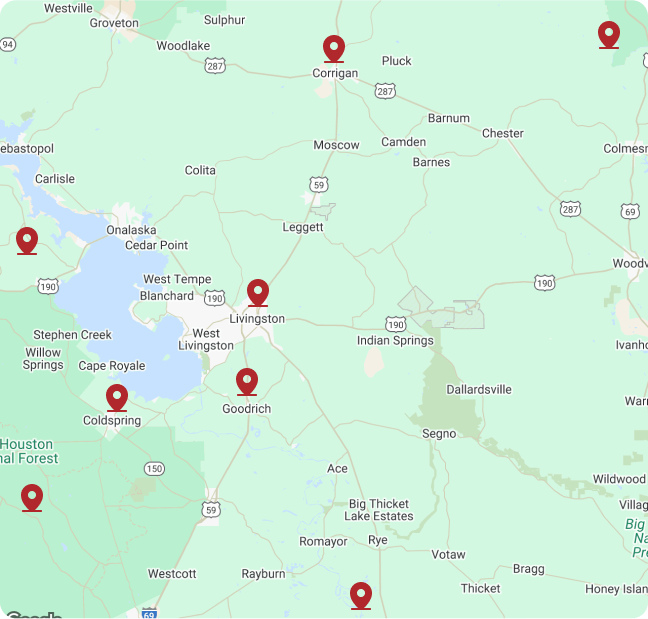
Our service areas cover a wide range of locations, ensuring that we can meet your needs wherever you are. We are committed to providing top-notch service in every region we operate.