
Achieve Zoned Comfort with HVAC Zoning Systems
Transforming my home's comfort with HVAC zoning was a game-changer. Experience personalized climate control and energy efficiency in every room today!

At Lyons AC and Heating, we provide HVAC zoning systems that give you room-by-room control of temperature and energy use. Our systems let different areas run at different set points so you get comfort where it matters and avoid heating or cooling unused spaces. Below, we explain how zoning systems work, the components involved, and the benefits you can expect. We also cover smart thermostats, ductless mini-splits, and why professional installation and routine maintenance matter. With this information, you can choose the right solution to improve comfort and lower energy costs.
Zoning Systems
Zoning divides a building into separate areas, each controlled independently. Dampers in the ductwork and a thermostat in each zone work together to direct airflow and meet target temperatures. That control cuts energy waste and raises comfort levels. Zoning is especially useful in larger homes or buildings where sunlight, room orientation, or different uses create temperature differences.
Planning a zone layout starts with a survey of the building’s use patterns and thermal behavior. Consider sleeping areas, living spaces, sun-exposed rooms, and seldom-used zones like guest rooms or attics. Efficient zoning balances the number of zones against control complexity; too many tiny zones can create control conflicts while too few may not capture meaningful differences. A clear plan makes it easier to place thermostats and sensors where they represent the occupied living area rather than an outlying surface such as a window or vent.
Smart Thermostats
Smart thermostats strengthen zoning by adjusting set points to match occupancy and daily patterns. They can be scheduled or learn habits, so heating and cooling aren’t wasted in empty rooms. Many models also offer remote control from a smartphone, making it easy to fine-tune schedules and save energy without sacrificing comfort.
When choosing a smart thermostat for a zoned system, check compatibility with zone controllers and existing wiring. Look for features that matter to you: multi-zone support, geofencing or occupancy sensing, local presence detection via sensors, and convenient scheduling. Some thermostats include adaptive algorithms that smooth set-point transitions to prevent short cycling or conflicting damper commands. Prioritize models that provide clear diagnostics and logs so installers and homeowners can confirm the system behaves as intended after commissioning.
Energy Efficiency
Zoning increases efficiency by conditioning only the spaces that need it. Targeted heating and cooling reduce runtime for your central system, which lowers energy consumption and utility bills. Over time, that targeted approach can produce measurable savings and a smaller carbon footprint compared with conditioning the whole home uniformly.
Energy improvements from zoning are strongest when combined with other measures: proper insulation, air sealing, appropriate window shading, and efficient ventilation. Zoning changes how your system runs, and that often reveals other opportunities to reduce loss—for example, sealing ducts that serve unconditioned spaces. Use monitoring after installation: tracking runtime, cycle frequency, and zone temperature trends helps confirm savings and guides further tuning without relying on broad averages.
Ductless Mini-Split Systems
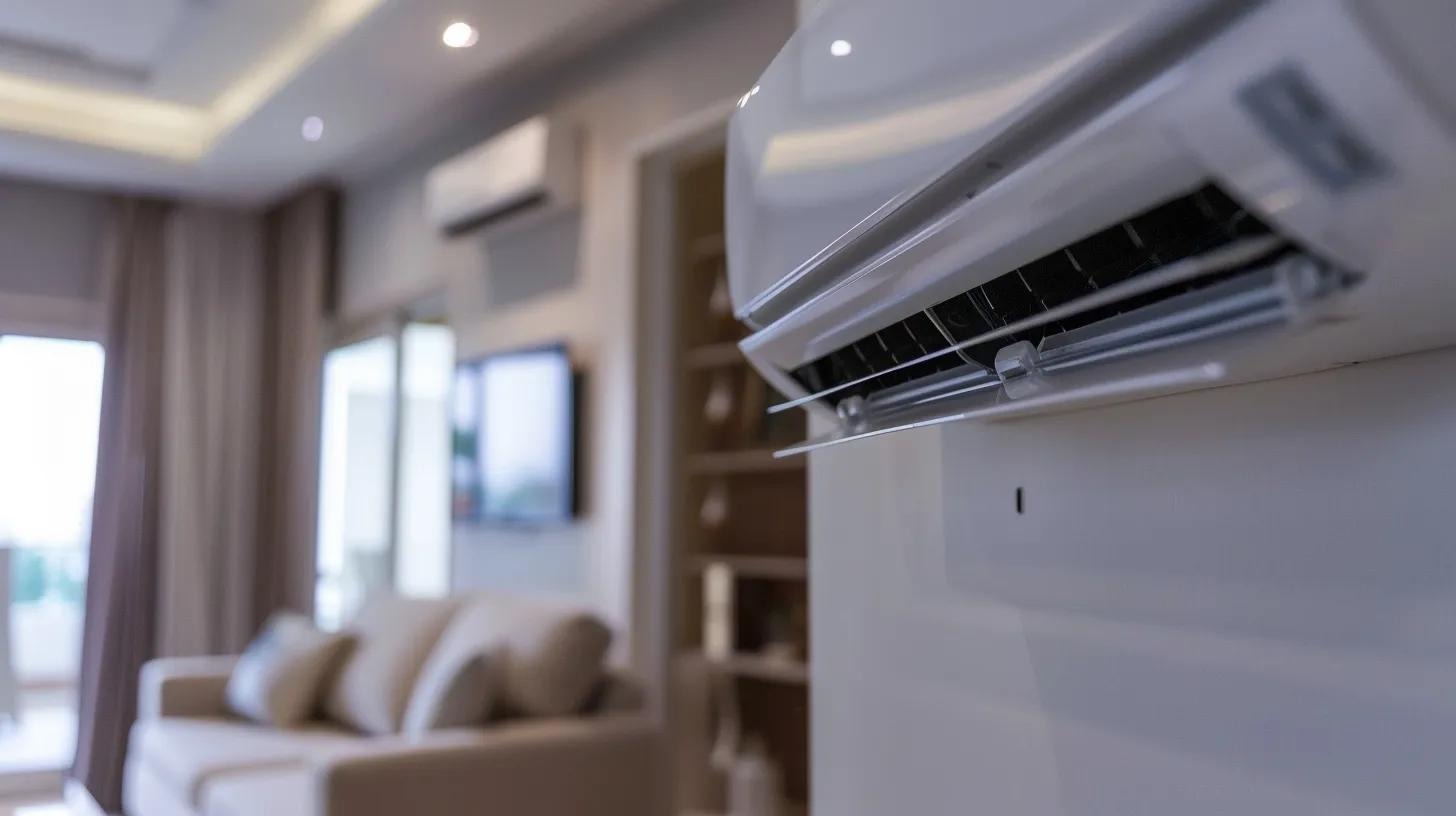
Ductless mini-split systems are a practical zoning option when ductwork isn’t available. Each system pairs an outdoor compressor with one or more indoor air handlers, letting you heat or cool individual rooms independently. They’re efficient, compact, and often used in retrofits or in spaces where adding ducts would be impractical.
Selecting the right mini-split configuration takes attention to room size, mounting location, and the number of indoor heads per outdoor unit. Systems can be configured with single or multiple indoor units to serve connected spaces, and proper placement avoids short-circuiting airflow or creating cold/hot spots. Consider line-set routing and appearance in finished spaces, and ensure our installers follow best practices for refrigerant handling and electrical connections so performance and longevity are preserved.
Professional Installation and Maintenance
Correct installation is essential for zoning systems to operate efficiently. At Lyons AC and Heating, our professional installers ensure dampers, thermostats, and controls are sized and configured correctly so the system balances airflow and meets design temperatures. Regular maintenance keeps parts moving, filters clean, and controls calibrated, which prevents breakdowns and preserves efficiency. We provide installation and maintenance services to keep systems performing at peak levels.
A professional installation includes thorough commissioning: measuring airflow to each zone, confirming damper modulation, verifying thermostat calibration, and documenting control logic and schedules. Post-install testing catches issues like reversed damper linkage, incorrect sensor placement, or control software conflicts. Our installers provide a written report, basic user training, and recommendations for follow-up tuning once occupants settle into new set points and schedules.
Humidity Control
Controlling humidity is part of a complete zoning strategy. High humidity can promote mold and discomfort; low humidity can dry skin and irritate airways. Zoning systems can include humidistats or integrated controls to monitor and adjust humidity by zone, helping maintain healthier, more comfortable indoor conditions.
Humidity management can be handled locally within a zone or as a whole-home strategy depending on the building envelope and occupant needs. In humid climates, dehumidification during cooling runs reduces perceived temperature and improves comfort; in drier climates, supplemental humidification can reduce static and alleviate irritation. Integrating humidity control into zone logic reduces unnecessary operation: for example, prioritizing dehumidification when ventilation or cooling is active instead of running separate equipment continuously.
Personalized Maintenance Plans
Maintenance plans tailored to your system help protect performance and lifespan. Typical plans include scheduled inspections, filter changes, and tune-ups for controls and mechanical components. Regular service reduces the chance of unexpected failures and keeps the system running efficiently over the long term.
Customized plans often scale with system complexity. For zoned systems that include many dampers or several mini-split indoor units, our technicians check actuator operation, look for refrigerant leaks, clean heat exchange surfaces, and verify control communications. Seasonal visits timed before high-use periods are common; these appointments let technicians identify gradual degradation and replace consumable items before they affect comfort or cause higher energy use.
What Are Zoned Heating and Cooling Systems and How Do They Work?
Zoned systems combine thermostats, dampers, and the existing ductwork (or individual air handlers) to control temperature by area. Each zone’s thermostat communicates with the central control to open or close dampers and adjust airflow, so rooms reach and hold the set temperature independently of one another.
Control logic coordinates multiple factors: which zone calls for conditioning, minimum run-time requirements for equipment, and fan operation to avoid pressure imbalances. A central controller handles priority when multiple zones call simultaneously, and may stage equipment or run fans continuously in a low-speed mode for balanced distribution. Proper control programming prevents frequent on-off cycles that can degrade comfort and equipment life.
Understanding Multi Zone HVAC Technology for Customized Comfort
Multi-zone HVAC uses sensors and dedicated controls to monitor conditions in each area and adjust system operation accordingly. That level of monitoring allows the system to respond to differences across the building and deliver tailored climate control that improves comfort while managing energy use.
Architectures vary from simple wired thermostats and a single zone controller to distributed wireless sensors and cloud-enabled management platforms. Each architecture has trade-offs: wired systems are often more robust and easier to maintain long-term, while wireless solutions can reduce retrofit cost and provide flexible sensor placement. When evaluating options, consider signal reliability, battery maintenance for wireless devices, and the availability of diagnostic data for troubleshooting.
Key Components of HVAC Zoning Systems Explained
Core components include thermostats, zone dampers, and a control panel or zone controller. Thermostats measure temperature and signal the system. Dampers modulate airflow to route conditioned air where it’s needed. The control panel coordinates those actions so zones meet set points without conflicting commands.
Additional components worth noting include pressure sensors, auxiliary relays for equipment control, and remote sensors used to average temperature across a room or prioritize occupied areas. Retrofit kits are available to adapt existing HVAC equipment to zoning, but they require careful matching of controller outputs and actuator types. Where possible, we choose components from manufacturers with clear integration guidance to reduce configuration time and improve reliability.
What Are the Benefits of Home HVAC Zoning for Comfort and Savings?
Home HVAC zoning delivers clear, practical benefits:
• Enhanced Comfort: Each zone can be set to a different temperature, accommodating individual preferences.
• Energy Savings: By heating or cooling only occupied areas, homeowners can significantly reduce energy consumption.
• Improved Air Quality: Zoning systems can help maintain consistent humidity levels, improving indoor air quality.
Together, these outcomes make zoning an appealing choice for homeowners who want better comfort control and lower energy costs.
Beyond measurable savings, zoning often reduces household disputes over thermostat settings and lowers the frequency of calls to service for perceived uneven heating or cooling. Homeowners who track system performance typically notice smoother temperature transitions and fewer complaints about hot or cold spots. Over time, this improved control translates to a more predictable indoor environment and reduced reactive maintenance.
How Zoned Heating Systems Improve Energy Efficiency and Reduce Bills
Zoned heating reduces waste by limiting conditioning to occupied areas. That lowers run time for heating equipment and cuts overall demand on your system. The result is usually lower energy bills and a more cost-effective approach to home climate control.
To maximize efficiency, use zoning alongside behavior changes: smart scheduling, vacancy setbacks, and targeted temperature setbacks for sleeping areas. Periodic review of zone schedules and set points ensures the system is supporting actual occupancy patterns, not outdated routines. Combining zoning with local sensor feedback can prevent conditioning during brief, intermittent presence and prioritize comfort when rooms are actively used.
Enhancing Comfort with Independent Temperature Controls
Independent controls let each room or area run at its preferred temperature. That’s useful for households with different comfort needs or for rooms that get more sun or use. Zoning keeps everyone comfortable without adjusting the whole house.
Independent control is particularly valuable in multi-generational homes or where people work from home in one or more rooms. Smart schedules can adapt set points day-to-day, while temporary overrides let occupants change a zone for the duration of an activity, such as a long visit or an evening movie. These simple user practices make zoned systems much more effective than a single thermostat approach.
How Is HVAC Zoning Installation Performed and What Does It Cost?
Installation starts with a site assessment to determine zone layout and equipment needs. Our technicians then install thermostats, dampers or individual units, and a control interface. Costs vary with home size, system complexity, and chosen equipment. We recommend professional installation to ensure the system is balanced and performs efficiently.
During installation, expect an initial walk-through, a clear proposal, and a timeline that outlines major milestones. Our installers typically coordinate ductwork access points, electrical connections, and control wiring. A trustworthy installer will explain the scope of work, required permits if any, and potential follow-up visits for tuning. It is good practice to obtain written estimates from multiple qualified providers and review references focused on zoning projects specifically.
What Maintenance Is Required to Keep HVAC Zoning Systems Reliable?
Routine maintenance keeps zoning reliable. Schedule periodic inspections, clean or replace filters, test dampers and controls, and verify thermostat calibration. These actions catch small issues before they become costly repairs and extend system life.
Signs that maintenance is needed include unusual damper noise, zones that fail to reach set points, increased runtime without comfort improvement, or frequent equipment cycling. If you notice these symptoms, document when and where they occur and share that information with your technician. Early intervention often prevents minor issues from escalating into compressor or control failures that are more expensive to repair.
How Do Smart Thermostats Integrate with HVAC Zoning for Advanced Control?
Smart thermostats work with zoning controls to optimize schedules and temperature set points. They can learn occupant patterns, adjust automatically, and provide remote access so you can monitor and change settings from your phone. That automation helps balance comfort with energy savings.
Integration best practices include confirming firmware compatibility with zone controllers and ensuring the installer configures system-level rules such as minimum run times and heat/cool changeover delays. When connected to cloud services, smart thermostats can provide convenient remote diagnostics and firmware updates; however, it is important to manage access and review privacy settings. Good installers will document system network needs and advise on secure setup.
What Commercial and Residential Zoning Solutions Does Lyons AC and Heating Offer?
At Lyons AC and Heating, we provide both commercial and residential zoning options tailored to each property. Our team assesses your space, recommends appropriate equipment and controls, and completes professional installation and ongoing maintenance so the system delivers reliable performance.
For commercial clients, zoning strategies often include integration with building management systems and may involve different actuator types or larger control panels to manage many zones reliably. Residential projects typically prioritize easy-to-use interfaces and smart thermostat integration. In both contexts, Lyons AC and Heating evaluates operating schedules, occupancy patterns, and occupant comfort requirements to recommend a solution that fits the facility’s operational goals.
Customer Testimonials and Local Expertise in Livingston, TX
We’re proud of our local knowledge and commitment to customer satisfaction. Clients in Livingston, TX, routinely note our professional approach and the effectiveness of our zoning solutions. We understand local climate conditions and design systems to meet those specific needs.
Local experience means our installers are familiar with regional building types, insulation practices, and common retrofit challenges. Customers regularly report improved comfort and reduced room-to-room variation after zoning upgrades. We collect feedback during and after projects to ensure systems meet expectations and to inform future recommendations for similar homes in the area.
How Does HVAC Zoning Contribute to Long-Term Energy Efficient HVAC Solutions?
Zoning supports long-term efficiency by enabling precise control over heating and cooling. That precision reduces unnecessary runtime and energy waste, leading to sustained utility savings and a more sustainable home climate strategy.
Long-term benefits depend on consistent operation and maintenance. Systems that are commissioned correctly and inspected regularly tend to maintain their efficiency advantages over time. Zoning also pairs well with ongoing electrification trends and modern heat pump technology, allowing homeowners to pursue deeper emission reductions as equipment is upgraded.
Where Can Customers Find Support and Learn More About HVAC Zoning?
If you need support or want more information, contact Lyons AC and Heating. Our team can answer questions, explain options, and point you to online resources that clarify benefits and system choices for your home or business.
Support is available through phone, email, and scheduled site visits. We provide educational materials that explain how zoning works, sample control strategies, and maintenance checklists so customers can make informed decisions. For complex projects, an on-site diagnostic visit helps identify the best technical route before installation begins.
Accessing Expert Advice and Service from Lyons AC and Heating
For expert advice or service, reach out to Lyons AC and Heating. Our technicians are available to assist with system selection, installation, maintenance, and optimization. We focus on reliable service and customer satisfaction.
A typical consultation includes a walkthrough, measurement of existing equipment and ductwork, and a discussion of occupant comfort goals. Technicians will outline recommended options, potential constraints, and a timeline. Expect clear documentation and follow-up communication so you understand next steps and any preparations required before installation.
Resources for Understanding HVAC Zoning Benefits and Options
Explore the resources on the Lyons AC and Heating website for articles, guides, and practical tips about zoning systems. Those materials help you understand options and choose the right approach for comfort and efficiency.
Useful resources include checklists for pre-install preparation, guides to thermostat features, photo galleries of installed systems, and maintenance tips to keep zones performing. These materials are designed to help homeowners evaluate trade-offs and feel confident when discussing options with a contractor.
Get Started with Lyons AC and Heating for Your HVAC Zoning Needs
At Lyons AC and Heating, we are ready to help you achieve personalized comfort and energy savings with our expert HVAC zoning solutions. Contact us today to schedule an on-site assessment and receive a tailored plan that fits your home or business. Let us show you how zoning can transform your indoor climate and reduce your energy costs over the long term.
Review your property’s layout, identify comfort challenges, and reach out to Lyons AC and Heating for professional guidance and service. Together, we will create a zoning system that delivers the perfect balance of comfort, efficiency, and reliability.
Customer Testimonials
Our customers consistently praise our exceptional service and attention to detail, making us a trusted choice for all your HVAC needs.
Service Areas
Our service areas cover a wide range of locations, ensuring that we can meet your needs wherever you are. We are committed to providing top-notch service in every region we operate.