
Air Conditoning Service In Livingston, TX
Stay cool and comfortable with expert air conditioning services—installation, repair, and regular maintenance to maximize system performance and home comfort.

Air Conditioning in Livingston, TX
Keeping your home cool and comfortable through East Texas summers is a top priority for Livingston homeowners. With long, hot, humid months and occasional humidity-driven mold and indoor air quality concerns, a reliable air conditioning system is essential.

Why timely AC service matters in Livingston, TX
Livingston’s heat and humidity put extra strain on air conditioners. Neglected systems work harder, use more energy, and fail sooner. Regular service:
- Restores efficient cooling performance during peak heat
- Reduces the risk of mid-summer breakdowns
- Lowers energy costs by ensuring optimal airflow and refrigerant charge
- Helps prevent moisture-related issues like mold in ducts and evaporator coils
Common air conditioning issues in Livingston homes
Homeowners in our area frequently encounter the same set of problems that cause reduced comfort or complete system failure:
- Insufficient cooling or uneven temperatures across rooms
- Short cycling (system turns on and off frequently)
- Weak airflow from vents due to clogged filters, duct leaks, or failing blower motors
- Frozen evaporator coil caused by low refrigerant or restricted airflow
- Refrigerant leaks, indicated by hissing sounds or diminished cooling
- Noisy outdoor units (fans, compressors, or loose components)
- Frequent tripped breakers or electrical control failures
- Poor indoor air quality due to high humidity, pollen, or dirty ducts
AC service and seasonal tune-up process
A professional seasonal tune-up keeps systems reliable when you need them most. Typical tune-up steps include:
- Visual inspection of the outdoor unit and indoor air handler
- Filter check and replacement recommendations
- Cleaning condenser and evaporator coils to restore heat transfer
- Verifying and adjusting refrigerant levels to manufacturer specs
- Inspecting electrical connections, capacitors, contactors, and breakers
- Testing blower motor operation and measuring airflow
- Calibrating thermostat and verifying proper system cycles
- Checking condensate drain for clogs to prevent water damage and microbial growth
A thorough tune-up improves efficiency, extends equipment life, and often uncovers minor issues before they become costly repairs.
Diagnostic and repair workflow (what to expect)
When an AC fails or underperforms, a structured diagnostic approach finds the root cause:
- Confirm symptoms and history (when problem began, any noises, recent work)
- Measure temperatures, pressures, and electrical readings
- Inspect filters, coils, ductwork, and thermostat operation
- Narrow down likely causes (electrical, refrigerant leak, mechanical wear)
- Present clear repair options, including part replacement or advisability of full system replacement
Common repairs include capacitor or contactor replacement, refrigerant leak repair and recharge, blower motor repair, compressor replacement, and control board fixes. In humid climates like Livingston, addressing condensate drain and coil cleanliness is often necessary to restore reliable operation.
New system installation and replacement guidance
Replacing or installing an AC system is more than swapping equipment. For dependable, efficient cooling consider:
- Proper sizing: A Manual J load calculation determines the right capacity. Oversized units short-cycle and undersized units can’t keep up on hot days.
- Ductwork assessment: Leaky or poorly sized ducts reduce comfort and efficiency. Sealing and balancing ducts is often recommended during installation.
- SEER and efficiency: Higher SEER ratings deliver better efficiency and lower operating costs over time. In humid climates, systems with better humidity control (two-stage or variable-speed compressors) improve comfort.
- System type options: Central split systems, packaged units, heat pumps, and ductless mini-splits each have pros and cons depending on home layout and insulation. Inverter-driven variable-speed systems provide more precise temperature and humidity control.
- Brand and model selection: Quality matters. Many Livingston area homeowners choose Daikin systems for efficiency and reliability. Daikin’s inverter air conditioners, ductless options, and matched system components are commonly recommended for tighter humidity control and long-term performance.
Warranty and rebate guidance
Understanding warranty and rebate options helps protect your investment:
- Manufacturer warranties: Register new equipment promptly to activate parts and unit coverage. Some brands offer extended or industry-leading warranties on select models.
- Installation labor coverage: Verify what the installer guarantees for workmanship and post-install support.
- Rebates and incentives: High-efficiency systems often qualify for manufacturer rebates or local utility incentives. Keep documentation of model numbers and installation details to apply for available rebates.
- Energy tax credits: Newer federal or state incentives may apply for qualifying high-efficiency systems; verify eligibility with current programs.
Maintenance plans and performance optimization tips
A maintenance plan simplifies seasonal care and preserves efficiency. Typical plan benefits include scheduled tune-ups, priority service, and diagnostic discounts. For day-to-day optimization in Livingston:
- Change or clean filters monthly during heavy use
- Keep the outdoor unit clear of plants, debris, and mulch for at least two feet of clearance
- Use programmable or smart thermostats to avoid unnecessary cooling when home is empty
- Shade outdoor units from direct sun when possible without restricting airflow
- Ensure attic and wall insulation and duct sealing to minimize load on the AC
- Use ceiling fans to raise comfort setpoints without raising temperature
Emergency vs preventative service — when timing matters
Recognize emergency signs that require immediate attention:
- No cooling during oppressive heat
- Burning smell, smoke, or visible electrical sparks
- Refrigerant leak symptoms (hissing, ice on lines, oil stains)
- Repeated breaker trips or smoke from equipment
For non-emergencies, schedule preventative maintenance before summer or at the end of season to prepare for the next cooling cycle. Preventative service reduces the likelihood of emergency breakdowns during peak heat.
Customer Testimonials
Our customers consistently praise our exceptional service and attention to detail, making us a trusted choice for all your HVAC needs.
Service Areas
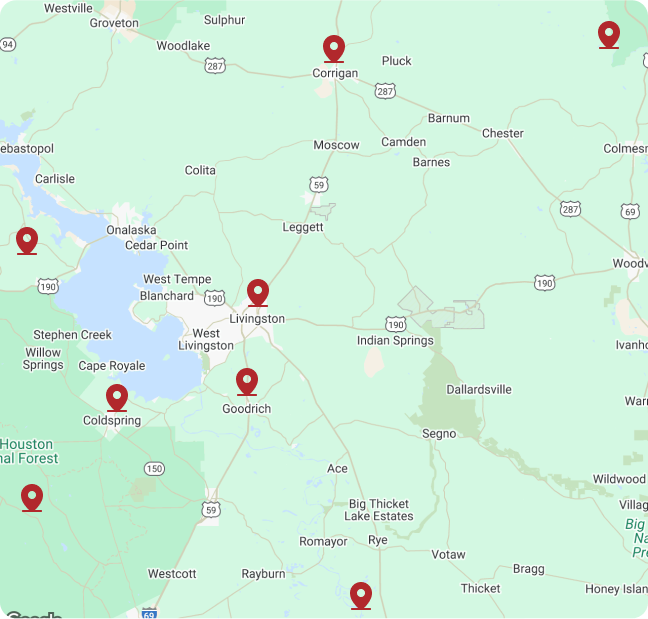
Our service areas cover a wide range of locations, ensuring that we can meet your needs wherever you are. We are committed to providing top-notch service in every region we operate.