
Heat Pump Service in Livingston, TX
Benefit from energy-efficient, year-round comfort through expertly installed and serviced heat pump systems, optimized for performance and cost savings.

Heat Pump in Livingston, TX
Switching to a heat pump in Livingston, TX delivers year-round comfort and energy savings for East Texas homes. Heat pumps provide efficient cooling during hot, humid summers and reliable heating through mild winters, making them an excellent match for the climate across Livingston, Cleveland, Coldspring, Onalaska, and Shepherd. This page covers what to expect from a professional heat pump service: consultation and system selection, installation and commissioning, typical repairs and maintenance schedules, manufacturer options like inverter technology, and guidance on incentives and rebates to help your decision.
Why choose a heat pump for Livingston-area homes
- Heat pumps move heat rather than generate it, offering higher efficiency than traditional electric resistance heating and competitive performance versus gas furnaces for many homes.
- In East Texas humidity, integrated cooling and variable-speed operation keep indoor temperatures steady and humidity better controlled than single-stage systems.
- Modern units with inverter compressors adjust capacity to match demand, which reduces cycling, lowers energy bills, and improves comfort during shoulder seasons when temperatures fluctuate.
- Ductless heat pump options work well for older homes without ductwork or for room additions and zoning, avoiding costly duct replacement.
Common heat pump services and issues in our region
- Consultation and system sizing to match local cooling loads influenced by high humidity and shade patterns.
- Installation of split systems, packaged units, and ductless mini-splits.
- Replacing aging heat pumps that struggle with efficiency or frequent breakdowns.
- Performance problems after prolonged use in humid summers: reduced cooling capacity, frozen coils, or compressor short-cycling.
- Common repair scenarios: refrigerant leaks, failed reversing valves, damaged fan motors, capacitor or contactor failures, and defrost control issues during occasional cold snaps.
- Indoor comfort problems tied to duct leaks, inadequate insulation, or poor airflow—especially in older Livingston and nearby area homes.
Consultation and system selection
A thorough consultation should include:
- Home load calculation that considers Livingston-area climate: local summer humidity, typical shading, insulation levels, and occupancy patterns.
- Assessment of existing ductwork, electrical service, and space for outdoor equipment.
- Comparison of system types: standard heat pumps, variable-speed inverter models, ductless mini-splits, and hybrid systems paired with existing furnaces.
- Evaluation of manufacturer features such as variable-capacity compressors, multi-stage operation, and advanced controls for zoning and smart thermostats.
Selecting the right capacity and technology reduces short-cycling, improves dehumidification, and maximizes rebate eligibility.
Professional installation: what to expect
A professional installation in Livingston typically follows these steps:
- Pre-install inspection and final sizing verification.
- Removal and responsible disposal of old equipment if applicable.
- Proper refrigerant line sizing and routing; brazing and vacuuming to manufacturer standards.
- Secure placement and leveling of outdoor unit on a concrete pad or pad stand suitable for local weather and drainage.
- Ductwork modifications or installation for sealed transitions and proper airflow.
- Electrical disconnect, breakers, and adherence to local code requirements.
- Condensate drain routing with trap and test for reliable drainage in humid conditions.
- Initial startup and factory-specified system charge or commissioning by weight or superheat/subcooling method as applicable.
Commissioning and performance testing
Commissioning ensures the system meets design intent and operates efficiently:
- Verify refrigerant charge per manufacturer specifications and adjust for actual operating conditions.
- Measure airflow across evaporator coil and confirm static pressure and proper fan speeds.
- Test defrost cycle performance to prevent unnecessary energy use or ice build-up during cold nights.
- Validate thermostat calibration, staging, and any zoning controls.
- Provide a walkthrough of system operation and simple user settings for optimizing comfort and efficiency in humid East Texas summers.
Common repairs and expected solutions
- Refrigerant leaks: locate, repair, evacuate, and recharge to correct charge; excessive oil loss or multiple leaks may require system replacement.
- Compressor or motor failure: assess warranty and replacement viability; inverter-driven compressors require specific replacement parts and programming.
- Electrical component failures: capacitors, contactors, relays, and control boards are common service items after years of cycling in high-use climates.
- Defrost and reversing valve faults: diagnose sensors and controls to resolve poor heating performance during rare freezing conditions.
- Duct issues: leaks and poor insulation reduce system efficiency; sealing and insulating ductwork often restores comfort and lowers runtime.
Maintenance schedule and tips for longevity
- Biannual checks (spring and fall) to confirm cooling readiness and heating performance before peak seasons.
- Replace or clean filters every 1–3 months during high-use periods to protect coils and maintain airflow.
- Annual coil cleaning and refrigerant leak inspection to sustain capacity and efficiency in humid conditions.
- Check condensate drains and pans for clogs to avoid water damage and mold risk in high-humidity months.
- For inverter units, ensure firmware and controls are reviewed during service to preserve variable-capacity performance.
Manufacturer-specific offerings and inverter technology
- Inverter (variable-speed) heat pumps modulate compressor speed to precisely match heating and cooling loads, improving part-load efficiency and comfort—especially valuable in Livingston where daily temperature swings are common.
- Many manufacturers provide tailored lines for ductless, multi-zone, and whole-home solutions. Brand-specific features can include enhanced defrost strategies, noise-reduction design, and integrated smart controls.
- Daikin and other leading brands offer robust warranties and inverter models that combine energy savings with quieter operation. When comparing options, prioritize proven inverter performance, warranty length, and local support availability.
Incentives, rebates, and financial considerations
- Homeowners in the Livingston area may qualify for federal tax credits, state energy incentives, and manufacturer or utility rebates for high-efficiency heat pumps and heat pump upgrades.
- Incentive eligibility often depends on equipment efficiency ratings (HSPF/SEER), installation quality, and contractor certification. Review current program rules and required documentation before purchase.
- Considering lifetime operating savings, reduced maintenance, and potential rebates helps clarify the true cost comparison between heat pumps and alternative heating systems.
Customer Testimonials
Our customers consistently praise our exceptional service and attention to detail, making us a trusted choice for all your HVAC needs.
Service Areas
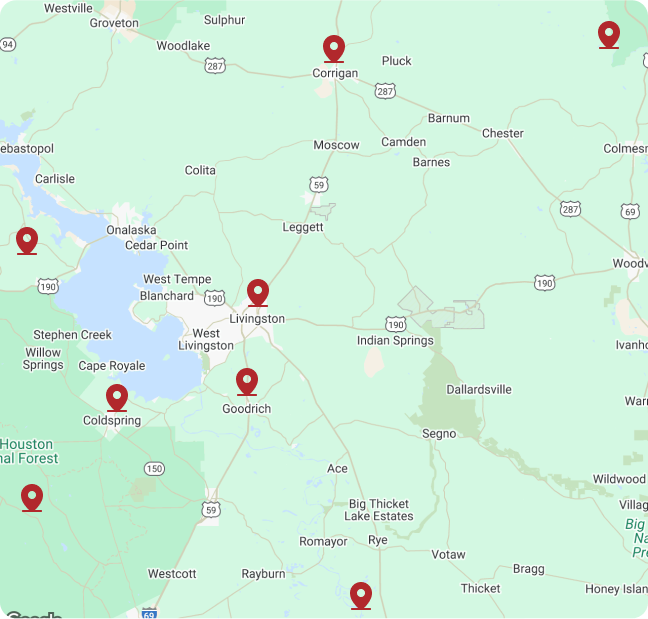
Our service areas cover a wide range of locations, ensuring that we can meet your needs wherever you are. We are committed to providing top-notch service in every region we operate.