
Indoor Air Quality Service In Livingston, TX
Improve your indoor environment with advanced solutions for cleaner, healthier air—addressing allergens, humidity, and pollutants for a safer, more comfortable home.

Indoor Air Quality in Livingston, TX
Indoor air quality (IAQ) has a direct impact on health, comfort, and the performance of your HVAC system. In Livingston and the surrounding East Texas communities, warm humid summers, high pollen counts, and occasional outdoor smoke or agricultural dust make IAQ improvements especially valuable. This page explains common IAQ problems in local homes, the practical solutions available (from whole-home filtration upgrades to humidity control and duct cleaning), how professional assessments work, what results you can expect, and the recommended installation and maintenance steps to keep indoor air healthy year round.
Common indoor air quality issues in Livingston homes
- Allergens and pollen: Spring and early summer bring high tree and grass pollen levels that easily infiltrate homes, aggravating allergies and asthma.
- High humidity and mold risk: East Texas humidity encourages mold growth in attics, crawl spaces, bathrooms, and ductwork. Mold spores worsen respiratory symptoms and produce musty odors.
- Dust, pet dander, and particulate pollution: Dust accumulates faster in homes with older ductwork or inadequate filtration; pets add dander that lingers without effective filtration.
- Volatile organic compounds (VOCs) and odors: New paints, cleaning products, and building materials can emit VOCs. Gas stoves and smoke also contribute.
- Duct contamination and airflow problems: Leaky or dirty ducts reduce filtration effectiveness and can circulate dust, biologicals, and odors throughout the house.
Available solutions and how they work
- Whole-home filtration upgrades
- High-efficiency media filters (MERV 8-13+): Upgrading your return filter to a higher MERV rating captures more small particles. Systems must be evaluated to ensure the blower can handle increased resistance.
- True HEPA filtration: Whole-house HEPA systems or point-of-use HEPA modules capture 99.97% of 0.3 micron particles for significant relief from allergens.
- Portable HEPA air purifiers
- Ideal for bedrooms and living areas where occupants spend the most time. Choose units sized to the room’s square footage and run them continuously during high pollen or smoke events.
- Humidity management
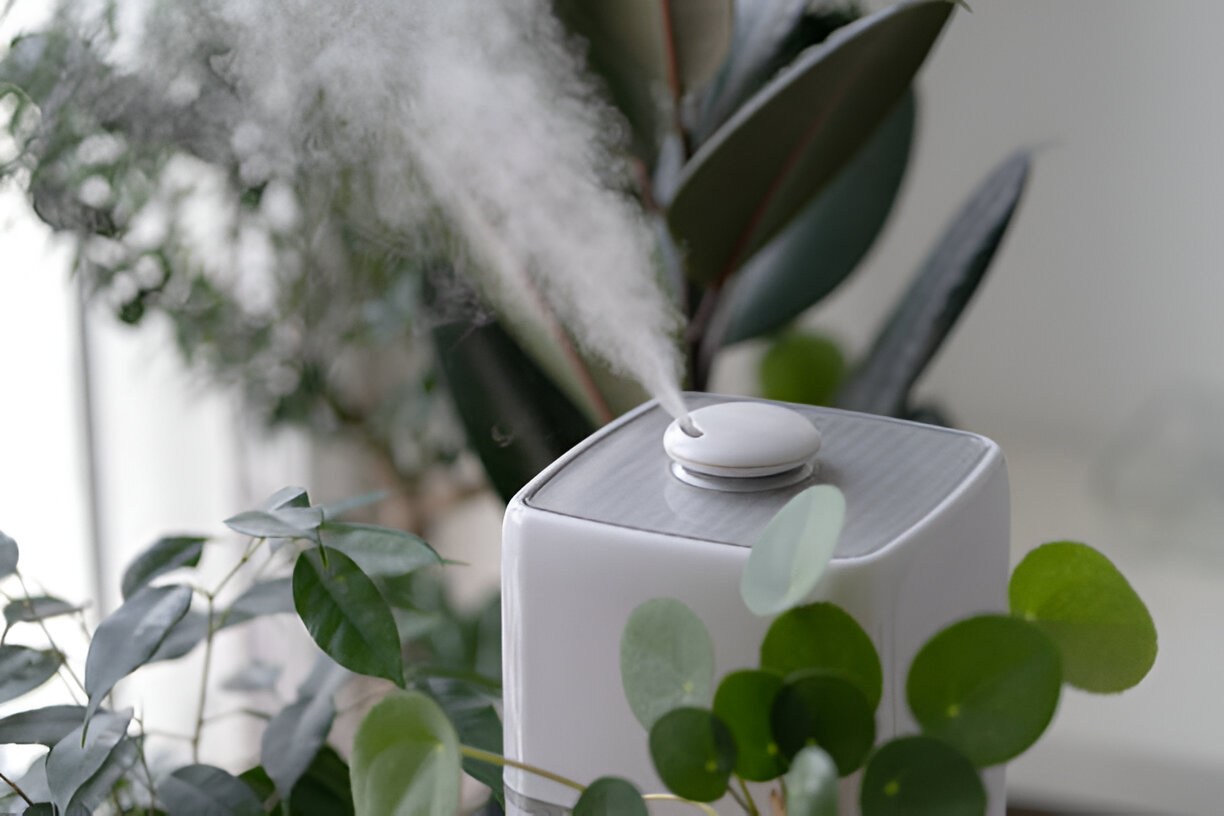
- Whole-house dehumidifiers and smart humidity controls maintain indoor relative humidity in the 40-50% range to reduce mold growth and dust mite activity. In winter, a humidifier may be useful if indoor air gets too dry.
- Ventilation and fresh-air exchange
- ERVs/HRVs and controlled mechanical ventilation introduce filtered outdoor air while minimizing humidity and energy loss. Proper ventilation reduces VOC buildup and improves comfort.
- UV-C and coil sanitation
- Ultraviolet lights installed at the evaporator coil help reduce biological growth on cooling coils and in the drain pan, improving airflow and system efficiency.
- Duct cleaning and sealing
- Professional duct cleaning removes accumulated dust, debris, and microbial growth. Sealing and insulating ducts prevents infiltration of contaminated attic or crawlspace air and improves distribution.
IAQ assessment and testing procedures
A thorough assessment creates a prioritized plan. Typical steps include:
- Intake and symptom review: Discuss occupant health concerns, odor reports, and problem rooms.
- Visual inspection: Check duct condition, filters, vents, insulation, HVAC coils, and signs of moisture or mold.
- Measurement and testing:
- Temperature and relative humidity readings across the home.
- Particle counts (PM2.5/PM10) to quantify airborne particulates.
- VOC screening to identify elevated chemical levels.
- Mold testing or surface sampling when visible mold or persistent musty odors are present.
- Airflow and static pressure checks to confirm system performance and filter compatibility.
- Report and recommendations: A clear summary with prioritized solutions, target outcomes, and expected maintenance needs.
What improved indoor air quality looks like
After targeted IAQ measures, homeowners commonly notice:
- Fewer allergy symptoms, less sneezing and congestion, and reduced asthma triggers.
- Reduced dust buildup on surfaces and fewer episodes of smoky or stale indoor air.
- Lower detectable odors and fewer musty smells from damp areas.
- More consistent humidity levels that improve sleep and comfort and reduce condensation on windows.
- Improved HVAC efficiency and fewer system service calls when filters and coils stay cleaner.
Installation, maintenance, and product recommendations
- Filter selection and replacement
- For many Livingston homes, a MERV 8-11 media filter offers better filtration without demanding major blower upgrades. For high allergy or medical needs, MERV 13 or whole-house HEPA is preferable if the system supports it. Replace or inspect filters every 1 to 3 months depending on occupancy, pets, and pollen season.
- Portable air purifiers
- Use true HEPA units in bedrooms and living spaces. Run them continuously during peak pollen or wildfire smoke events; choose units with an appropriate Clean Air Delivery Rate (CADR) for the room size.
- Humidity control
- Whole-house dehumidifiers sized to your home and linked to a humidistat maintain safe humidity levels year round. Check condensate drains during maintenance seasons and service dehumidifiers annually.
- UV-C and coil maintenance
- UV lights require annual inspection and bulb replacement as recommended by the manufacturer to remain effective. Coil cleaning should be part of routine HVAC maintenance to prevent microbial growth.
- Duct cleaning and sealing
- Consider duct cleaning when moving into an older home, after renovations, or if there is visible contamination or persistent allergy problems. Many homes benefit from duct cleaning every 3 to 5 years, with sealing or insulation upgrades as needed.
- Ventilation upgrades
- ERV/HRV selection should account for East Texas humidity. An ERV may transfer some moisture; combine with dehumidification during the humid season or select systems that limit moisture transfer.
Practical timelines and what to expect
- Initial assessment and testing: typically completed in one visit, with a written report and prioritized recommendations.
- Filter and portable purifier upgrades: immediate improvements often visible within days.
- Whole-home systems (HEPA, UV, dehumidifier, ERV): installations usually completed in one to two days depending on system complexity and duct access.
- Duct cleaning: one-day service for most residential systems; more time if extensive contamination is found.
Maintenance best practices for lasting results
- Keep filters clean and replace them on schedule; inspect monthly during pollen season.
- Run bathroom and kitchen exhaust fans during and after activities that produce moisture or odors.
- Use portable HEPA purifiers in high-use rooms, especially during pollen season or when outdoor air quality worsens.
- Control indoor sources: use low-VOC products, avoid indoor smoking, and ventilate during painting or heavy cleaning.
- Schedule annual HVAC tune-ups that include coil cleaning, filter checks, and airflow testing.
Improving indoor air quality in Livingston homes reduces health risks, enhances comfort during humid summers and pollen seasons, and protects your HVAC investment. A targeted assessment followed by the right mix of filtration, humidity control, ventilation, and duct care delivers measurable, long-lasting benefits you can feel and breathe.
Customer Testimonials
Our customers consistently praise our exceptional service and attention to detail, making us a trusted choice for all your HVAC needs.
Service Areas
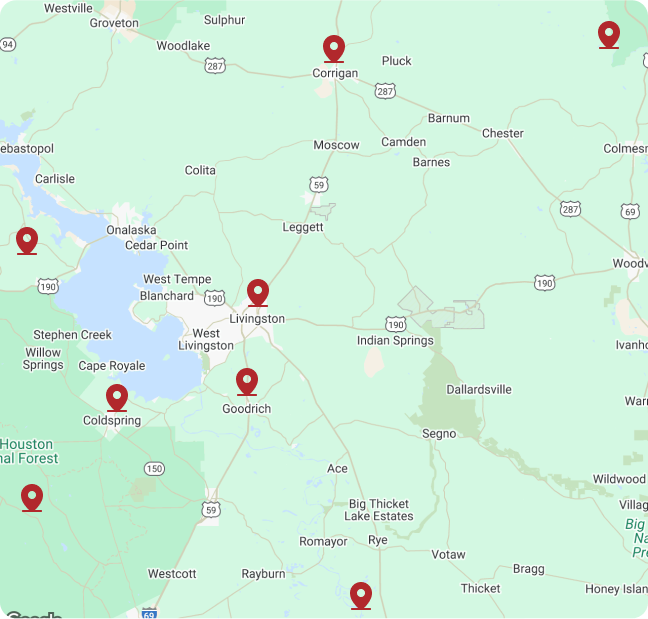
Our service areas cover a wide range of locations, ensuring that we can meet your needs wherever you are. We are committed to providing top-notch service in every region we operate.