
Mini Split Service iN lIVINGSTON, tx
Achieve flexible, zoned comfort with ductless mini split installation and service, ideal for efficient heating and cooling in any room or space.

Mini Split in Livingston, TX
Mini split (ductless) systems offer a practical, energy-efficient alternative to traditional central HVAC for homes in Livingston, TX and nearby communities. With long, humid summers and moderate winters, local homeowners need cooling and zoned comfort that can run efficiently without the energy losses that come with ductwork. This page explains when a mini split makes sense, how professional site-surveys and sizing work, multi-zone installation choices, placement and installation best practices, maintenance requirements, and how to compare leading brands to choose the right ductless solution for your home.
Why choose a mini split for Livingston homes
Livingston and the surrounding Polk County area see high cooling loads during summer and intermittent heating needs in winter. Mini split systems are especially well suited for:
- Homes without existing ductwork or with damaged ducts that reduce efficiency
- Room additions, garages converted to living space, sunrooms, or attics where extending ducts is costly
- Zoned comfort needs where different occupants prefer different temperatures
- Improving efficiency in older homes that lose energy through leaky ducts
Key benefits you can expect:
- High seasonal efficiency thanks to inverter-driven compressors that modulate output
- Precise zoning with individual thermostatic control for each indoor unit
- Low installation footprint—no major remodeling or duct runs
- Rapid comfort—direct cooling or heating to the occupied space
Common mini split use cases and issues in this region
Common situations that lead homeowners to choose ductless:
- New master bedroom suite or converted attic where running ducts would be disruptive
- Supplementing an undersized central system for high-sun rooms or open-concept layouts
- Replacing window units with a quieter, more efficient option
- Improving comfort in rooms with inconsistent temperatures
Typical issues customers want addressed:
- Correct sizing to avoid short-cycling or insufficient capacity
- Placement that minimizes noise and drafts while maximizing airflow
- Multi-zone control strategies for family habits and occupancy patterns
Site-survey and unit sizing: what to expect
A professional site-survey is the foundation of a reliable mini split installation. The process typically includes:
- Visual inspection of the home layout, insulation, window orientation, and existing HVAC equipment.
- Measurement of room dimensions and calculation of heating and cooling loads. This uses a room-by-room load calculation to determine capacity needs rather than relying on square footage alone.
- Assessment of electrical service, outdoor unit location options, refrigerant line routings, and mounting decisions.
- Discussion of usage patterns and zoning preferences to match indoor unit types and controls.
Why precise sizing matters:
- Oversized units short-cycle, reducing comfort and efficiency and increasing wear.
- Undersized systems cannot maintain set temperatures during peak heat.
- Proper sizing ensures inverter technology operates in its most efficient band.
Multi-zone installation options
Mini split systems can support one to many indoor units on a single outdoor condenser. Typical configurations include:
- Single-zone: one indoor unit matched to one outdoor unit, ideal for a single room or addition.
- Multi-zone: multiple indoor units of various capacities connected to one outdoor unit, which is suited for whole-home retrofits or several rooms needing independent control.
Indoor unit options:
- Wall-mounted units: most common and cost effective
- Ceiling cassette: ideal for central placement in larger rooms
- Concealed ducted units: blend into ceilings when aesthetics matter
- Floor-mounted units: useful for rooms with low walls or specific layout needs
Installation best practices and indoor unit placement
A professional installation ensures system longevity and comfort. Best practices include:
- Place indoor units where airflow can reach the whole room without blowing directly on occupants.
- Maintain recommended clearances above and around units for proper return and supply airflow.
- Locate the outdoor unit on a stable pad with 12 to 24 inches of clearance for airflow and maintenance.
- Minimize refrigerant line and drain run lengths where possible to reduce complexity and potential leak points.
- Route condensate drains to a suitable drain point and insulate lines that run through unconditioned spaces.
Placement considerations specific to Livingston homes:
- Avoid mounting units over windows exposed to prolonged direct sun; consider shading or interior placement to reduce load.
- In high-humidity seasons, ensure drain lines slope continuously and are accessible for clearing.
Energy-efficiency and zoning advantages
Mini splits leverage inverter compressors and individual thermostatic control to reduce energy use compared with running a central system to cool unused rooms. Advantages include:
- Lower operating costs when cooling only occupied zones
- Reduced energy loss because there are no duct leaks or thermal loss
- Improved humidity control in humid climates when matched with proper sizing and controls
- Ability to heat efficiently in mild winters using heat pump technology, often with better efficiency than fossil-fuel alternatives in moderate climates
Routine maintenance tasks
Routine maintenance keeps performance high and extends equipment life. Homeowner and technician tasks include:
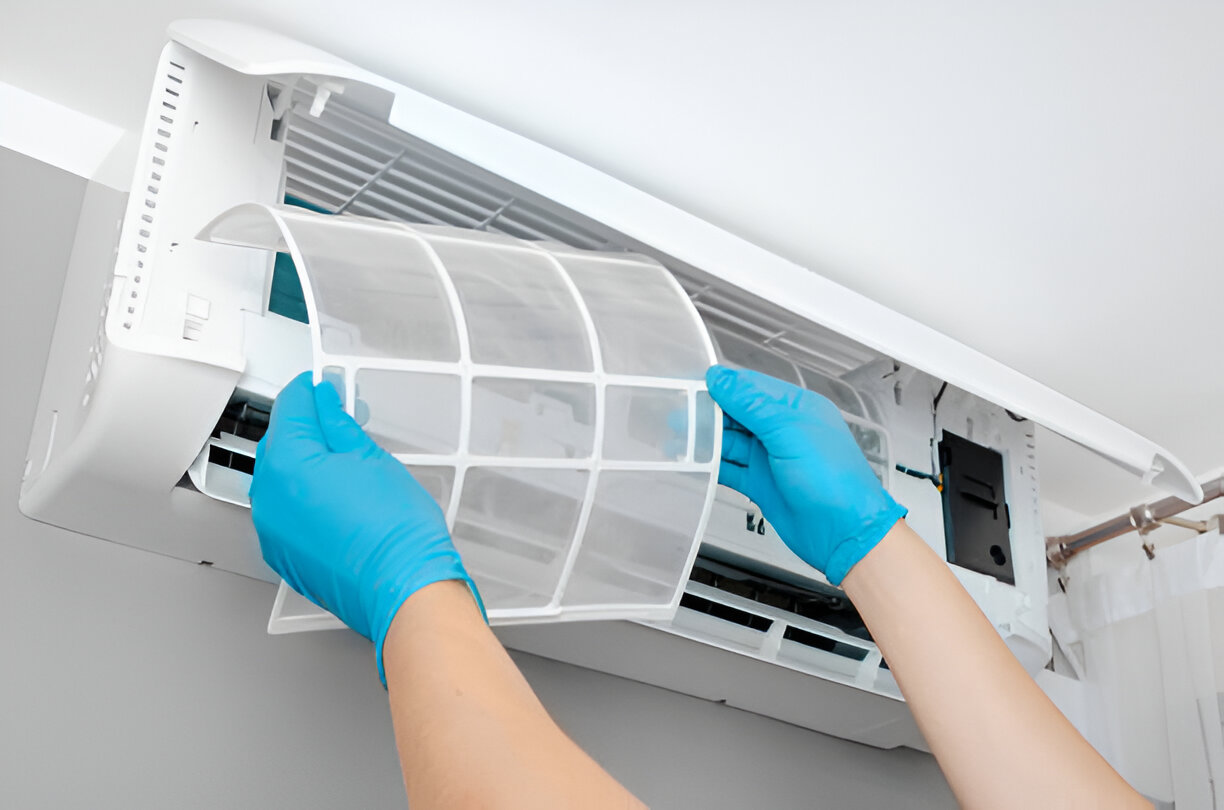
- Regularly clean filters every 1 to 3 months depending on use and indoor air quality
- Wipe or vacuum indoor unit coils and blower access panels annually
- Inspect outdoor unit for debris, vegetation, and insect nests each season
- Ensure condensate lines remain clear and flowing
- Schedule professional inspections annually to check refrigerant charge, electrical connections, and controls
A maintenance plan tailored to your install pattern prevents common failures like compressor stress from dirty coils or reduced airflow from clogged filters.
Brand and product comparisons to help you choose
When selecting a mini split, consider efficiency ratings, warranty, control options, and local serviceability. Common reputable brands and what to look for:
- Daikin: strong inverter technology, broad product range including multi-zone and ducted options, good warranty coverage.
- Mitsubishi Electric: industry leader in reliability and control precision, strong heat pump performance in moderate climates.
- Fujitsu: high efficiency and compact designs, often competitive pricing and good multi-zone systems.
- LG and Panasonic: modern features, strong indoor unit design options, good app-based controls.
What matters most:
- Seasonal Energy Efficiency Ratio (SEER) and Heating Seasonal Performance Factor (HSPF) ratings for HVAC performance
- Manufacturer warranty terms and local parts availability
- Availability of technicians experienced with specific brands
- Control options including wireless remotes, wired controls, and smart integrations
Customer Testimonials
Our customers consistently praise our exceptional service and attention to detail, making us a trusted choice for all your HVAC needs.
Service Areas
Our service areas cover a wide range of locations, ensuring that we can meet your needs wherever you are. We are committed to providing top-notch service in every region we operate.