
Is AC Duct Cleaning Actually Necessary? Troubleshooting the Fall Burning Dust Smell
Smelling burning dust on the first cold snap? Use these home maintenance tips and troubleshooting to decide with confidence if your furnace needs a pro.

That Sudden Burning Smell: A Mid-Fall Heating Surprise
You switch your thermostat to 'heat' for the first time, expecting cozy warmth, but instead, your vents blast a concerning burning odor throughout the house. When you are looking for reliable home maintenance tips and troubleshooting, addressing this sudden mid-fall heating surprise is often top of the list. Here at Lyons AC & Heating, it is a moment we see immediately put homeowners on high alert, prompting frantic checks of the vents and the furnace room.
During the mid-fall / October first cold snap, this specific scenario plays out in thousands of homes. The immediate anxiety is completely understandable—nobody wants to ignore a potential fire hazard. However, jumping straight to the conclusion that your system is broken or that your air ducts are heavily contaminated can lead to unnecessary panic and rushed decisions.
The core question you face in this moment is whether this odor is a harmless seasonal symptom or a sign of hazardous buildup inside your heating equipment. Understanding the mechanical reasons behind this smell is the first step to maintaining healthy indoor air quality and knowing when to call for professional HVAC Services.
What Causes the 'Burning Dust' Odor During the First Cold Snap?
To understand why your furnace smells like it is burning on that first chilly evening, we have to look at what your heating system has been doing for the last six months: absolutely nothing. While your blower motor and cooling coils worked overtime to combat the summer heat, the heating components remained completely dormant.
In our years of providing HVAC services to Livingston and surrounding East Texas areas, we know firsthand that the cooling season is incredibly demanding. For months, indoor air is pulled through your return vents, pushed past the air filter, and circulated throughout the home. Even with a high-quality filter in place, microscopic airborne particles—dust, pet dander, lint, and dead skin cells—naturally slip through. Because the heat exchanger (the metal component that actually gets hot to warm your air) sits cold and inactive all summer, these particles slowly settle onto its surface, creating a fine layer of combustible debris.
The Incineration Process
When the temperature finally drops and your thermostat signals the furnace to ignite, those burners fire up, and the heat exchanger rapidly climbs to hundreds of degrees. That settled layer of dust has nowhere to go. It is instantly incinerated by the extreme heat.
The resulting fumes are then picked up by the blower fan and pushed directly into your living spaces. This initial burn-off is a common mechanical reality, not necessarily a defect in your equipment. Just as a toaster that has been sitting in a cabinet might smell faintly of burning dust the first time you use it, your furnace is simply clearing its throat after a long hibernation. If your system has been receiving regular Air Conditioning Services from our team, the internal components are likely in good shape, and this dust layer is just a superficial seasonal occurrence.
Normal Seasonal Burn-Off vs. When to Worry
While a burning dust smell is often harmless, you should never ignore your instincts if something feels unsafe. Providing clear, actionable guidelines can help you make an informed decision about your system's safety during the mid-fall / October first cold snap.
Our technicians at Lyons AC & Heating always tell homeowners that the most important metric for evaluating a furnace odor is time. A normal dust burn-off typically dissipates within 30 to 60 minutes of the first heating cycle. Once that initial layer of settled debris is incinerated, the heat exchanger is clean, and the air should return to smelling neutral.
Signs It's Just Routine Dust
• Odor profile: The smell is mild and resembles warm, toasted dust or a hot space heater.
• Timeline: The scent begins fading almost immediately and clears out of the house completely after the first or second heating cycle.
• Visuals: There is absolutely no visible smoke or haze coming from the vents.
Red Flags That Require a Professional Inspection
• Electrical odors: A smell resembling melting plastic, burning rubber, or an overheated electrical outlet points to failing wires or a seized motor.
• Persistent smells: Odors that last longer than a few hours, or return every single time the heater cycles on, indicate a continuous problem.
• Operational failures: If the system repeatedly shuts itself off (short-cycling) along with the smell, it is likely overheating.
• Visible smoke: Any visible smoke or soot marks around your registers are an immediate hazard. Turn the system off at the thermostat and call a professional.
Ignoring persistent smells or electrical odors can lead to compromised air quality, severe equipment damage, or electrical hazards. If the smell does not fit the profile of a simple dust burn-off, err on the side of caution.

How High Humidity Transforms Your Ductwork
To fully understand why dust accumulates the way it does, we have to look at the environment where your ductwork lives. Unconditioned duct spaces, such as attics and crawlspaces, experience extreme temperature and moisture fluctuations throughout the year. In Livingston and surrounding East Texas areas, we regularly measure summer humidity exceeding 70% during our service calls, creating the exact conditions that cause dust to cling tightly to duct walls.
When your air conditioner runs on a hot, humid day, the metal or flexible ductwork carrying that frigid air becomes very cold. Just like a glass of ice water on a summer afternoon, those cold ducts can cause condensation to form. While properly insulated ducts minimize this, some moisture inevitably interacts with the interior airflow. This moisture makes the inside of the ducts slightly sticky.
Instead of dry, loose debris that easily blows through the system, typical household dust binds to this sticky moisture. Over months of heavy cooling usage, this creates a stubborn, clinging layer of grime. When the heat finally turns on in the fall, the hot air bakes this clinging dust, which can intensify the burning smell. Managing the moisture levels in your home through proper ventilation and dehumidification is a massive part of effective Indoor Air Quality Solutions, as it directly impacts how much grime your ductwork collects over the seasons.
Does Your Home Actually Need AC Duct Cleaning?
When the burning smell hits, many homeowners immediately assume they need to schedule a comprehensive duct cleaning. However, a brief burning smell alone does not automatically mean duct cleaning is required. The mid-fall / October first cold snap odor is usually generated at the furnace's heat exchanger, not deep within the ductwork itself.
The Environmental Protection Agency (EPA) provides clear guidelines on this topic. They recommend cleaning ducts only when specific, severe conditions are met:
1. Visible mold growth: There is substantial, visible mold growing inside the hard surfaces of the ducts or on other components of your heating and cooling system.
2. Vermin infestation: The ducts have become infested with rodents, insects, or other pests.
3. Excessive blockages: The ducts are clogged with excessive amounts of dust and debris, to the point that particles are actively being released into the home from your supply registers.
It is important to understand the difference between basic HVAC maintenance and full ductwork sanitation. Basic maintenance involves cleaning the physical unit—the blower motor, the coils, and the heat exchanger. Duct cleaning involves running negative pressure vacuums and rotary brushes through the entire length of your home's ventilation system.
You can perform a basic visual inspection yourself. Remove a vent cover and shine a flashlight inside. A light coating of dust is normal and does not pose a health risk. At Lyons AC & Heating, we believe in honest evaluations; our technicians will tell you when a simple filter change and a standard furnace tune-up are enough, rather than pushing unnecessary, aggressive duct cleaning services that your home doesn't actually need.
Troubleshooting Beyond the Ducts: Short-Cycling and Lockouts
Sometimes, the burning smell is accompanied by a system that refuses to stay running. If your heater smells like burning and shuts off prematurely, it may be experiencing a mechanical issue known as short-cycling. In our experience serving Livingston and surrounding East Texas areas, where systems transition rapidly from heavy cooling to heating, these startup issues are incredibly common.
The most frequent culprit behind a short-cycling furnace is a severely clogged air filter. When a filter is packed with summer dust, it acts like a wall, restricting the amount of cool return air that can flow over the heat exchanger. Without that steady airflow to carry the heat away and distribute it into your home, the heat exchanger rapidly overheats.
Modern furnaces are equipped with a safety device called a high limit switch. If the internal temperature gets too high, this switch trips and immediately shuts down the burners to prevent a fire or a cracked heat exchanger. This safety lockout protects your home, but it leaves you without heat. If you are wondering Why Your AC Short Cycles in Livingston, the exact same airflow restriction principles apply to your heating system.
Before assuming the unit is broken, follow these troubleshooting steps:
• Check the thermostat: Ensure it is firmly set to "Heat" and that the fan is set to "Auto."
• Inspect the air filter: Pull the filter out and hold it up to a light. If you cannot see light passing through it, it is heavily restricted and must be replaced immediately.
• Check all air vents: Ensure return and supply registers are open and unblocked by rugs, furniture, or curtains.
If you have replaced the filter and ensured vents are open, but the system still smells like melting plastic or continues to short-cycle, stop troubleshooting. Turn the system off and call for professional diagnostics to avoid permanently damaging the equipment.
Proactive Steps for a Clean, Odor-Free Heating Season
The best way to handle the mid-fall / October first cold snap is to prepare for it before the temperatures actually drop. Taking proactive, preventative maintenance steps will minimize future startup issues, reduce that initial burning smell, and improve your overall indoor air quality.
Here is a practical checklist for a smooth transition into the heating season:
• Upgrade your air filter: Just before the heating season begins, replace your standard filter with a high-quality pleated air filter. Pleated filters have a larger surface area and capture significantly more fine particulate matter than cheap fiberglass options, preventing that dust from reaching the heat exchanger in the first place.
• Run the fan independently: Before turning on the heat for the first time, switch your thermostat fan setting from "Auto" to "On" for a few hours. This circulates room-temperature air through the system, allowing the filter to catch loose, dry dust that settled over the summer without incinerating it.
• Clear the area around the furnace: Ensure there are no boxes, cleaning supplies, or flammable materials stored near the heating equipment. The system needs clear space to draw in combustion air safely.
• Schedule a pre-winter inspection: The absolute best defense against startup odors and mechanical failures is having a professional clean the heat exchanger, test the safety limit switches, and calibrate the burners.
Routine tune-ups prevent minor dust issues from becoming major safety hazards. By enrolling in a comprehensive HVAC Maintenance Plan, you ensure that a trained set of eyes evaluates your system every fall, catching worn components before they lead to a freezing night without heat.
Breathe Easier This Winter with Professional Guidance
Transitioning your home from cooling to heating shouldn't be a source of stress. While a brief burning dust smell is a normal part of firing up the furnace for the first time, persistent odors, electrical smells, or poor air quality shouldn't be ignored. In Livingston and surrounding East Texas areas, the heavy demands placed on HVAC systems mean that regular, honest assessments are the key to long-term reliability.
You deserve to know exactly what is going on inside your ductwork and heating equipment. A professional, no-pressure evaluation from Lyons AC & Heating can determine if your system just needs a basic tune-up or if it meets the criteria for deeper cleaning. If you are experiencing unusual odors or just want the peace of mind that your system is ready for the cold, reach out to schedule your seasonal inspection today.
Frequently Asked Questions
Why does my heater smell like burning dust?
Your heater smells like burning dust because airborne particles settle on the internal heating components during the months the system sits idle. When you turn the heater on for the first time in the fall, the burners ignite and incinerate this layer of settled dust. This process creates a temporary, warm, dusty odor that is blown through your vents. It is a normal mechanical occurrence that usually resolves itself quickly.
Is AC duct cleaning necessary for a burning smell?
A brief burning smell during the first heating cycle does not mean duct cleaning is necessary. The odor originates from the furnace's heat exchanger, not the ductwork itself. The EPA recommends duct cleaning only if there is visible mold, vermin infestation, or severe debris blocking airflow. In most cases, a standard furnace tune-up and a new air filter will resolve seasonal startup smells without the need for full duct sanitation.
How to tell if ductwork is dirty?
You can tell if your ductwork is excessively dirty by performing a simple visual inspection of your vents. Remove a supply register cover and shine a flashlight inside; a light, thin coating of dust is normal, but thick, matted debris or visible mold indicates a problem. You might also notice poor airflow, increased allergy symptoms, or small puffs of debris shooting out of the vents when the blower fan turns on.
Can dirty air ducts make you sick?
Dirty air ducts can contribute to poor indoor air quality, which may exacerbate existing respiratory conditions or allergies. If the ducts contain mold spores, excessive pet dander, or vermin droppings, circulating that air can cause coughing, sneezing, and irritation. However, standard household dust in moderate amounts generally does not cause severe illness in healthy individuals, which is why routine filter changes are often sufficient for maintaining air quality.
How long should the burning smell last when turning on the heater?
The normal burning dust smell should last between 30 to 60 minutes after you turn on the heater for the first time. The odor should begin fading almost immediately as the settled dust burns off the heat exchanger. If the smell persists for several hours, returns every time the system cycles on, or smells like melting plastic, turn the unit off and contact a professional.
Will changing my air filter stop the burning smell?
Changing your air filter will not immediately stop the burning smell if the dust has already settled on the heat exchanger over the summer. However, installing a clean, high-quality filter ensures proper airflow, which prevents the furnace from overheating and short-cycling. Consistently changing your filter throughout the year also reduces the total amount of dust that can settle on the internal components, making future startup smells much less intense.

Customer Testimonials
Our customers consistently praise our exceptional service and attention to detail, making us a trusted choice for all your HVAC needs.
Service Areas
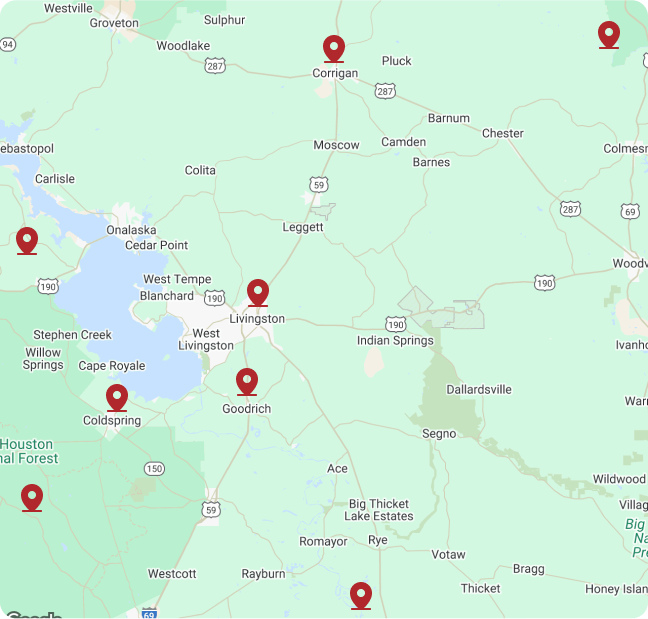
Our service areas cover a wide range of locations, ensuring that we can meet your needs wherever you are. We are committed to providing top-notch service in every region we operate.