
Troubleshoot Common Furnace Problems: Quick Solutions
Facing furnace problems? Get quick solutions to common HVAC issues. Keep your home warm and cozy this winter with our handy troubleshooting guide!

Common Furnace Problems and Solutions — How to Troubleshoot and Fix Your Heating System
Your furnace does the heavy lifting for home comfort—producing warm air and moving it through ducts so rooms stay cozy. This guide walks you through the most common furnace problems, why they happen, and practical, safety-first steps you can try at home. You’ll learn how to triage a no-heat situation, recognize short cycling, check thermostat issues, swap a dirty filter, decode odd noises, and set up preventive maintenance that reduces breakdowns and saves energy. Each problem is paired with clear symptoms, simple checks, and recommended next steps so you can act confidently—whether that means a safe DIY fix or scheduling professional service. We also include helpful search terms like furnace troubleshooting, furnace repair Livingston TX, no heat, short cycling, and furnace maintenance checklist to make this page easy to find when you need answers fast.
Why Isn’t My Furnace Heating? Common Causes and Practical Fixes
A furnace that won’t heat can be caused by a range of issues—from a mis-set thermostat to an ignition or power problem. Knowing the basic sequence—thermostat calls for heat, ignition or pilot lights, burners produce heat, blower moves warm air—helps you focus on the simplest, safest checks first. Start with power and controls because they’re common and usually easy to verify; more complex issues, like gas valves or control-board failures, should be handled by a pro. Below is a short table that matches likely causes with symptoms and straightforward homeowner checks so you can prioritize safely.
• Thermostat — Symptom: Furnace won’t start even though thermostat shows heat requested — Quick DIY Check: Make sure thermostat is set to Heat and the setpoint is higher than room temp
• Air filter — Symptom: Blower runs but rooms stay cold or airflow is weak — Quick DIY Check: Pull the filter out—if it’s dark or matted, replace it
• Ignitor / Pilot — Symptom: Unit tries to start but no flame or repeated attempts to light — Quick DIY Check: Watch for the ignition sequence and clicking; if no flame, stop and call a technician
• Circuit breaker / Gas valve — Symptom: No power to the furnace or a smell of gas — Quick DIY Check: Check the breaker and gas valve; if you smell gas, leave the home and call your gas company or a pro
This table highlights the most common, quick checks you can do safely. If those steps don’t restore heat—or if you smell gas, your CO alarm goes off, or you can’t restore power—stop troubleshooting and contact a qualified technician right away.
What Are the Common Symptoms of a Furnace Not Heating?
Typical signs your furnace isn’t heating include the system running without producing warm air, rooms feeling unevenly warm, or the furnace being silent when the thermostat calls for heat. Look for visual clues too: a tripped breaker, no pilot light on older units, or an error code on modern control boards. Reduced vent airflow or dusty vents while the system runs usually points to a clogged filter or blower problem. Spotting these symptoms early helps you decide whether a simple reset or filter change will fix it—or whether you should schedule a professional inspection for ignition or safety issues.
How Can I Troubleshoot a Furnace That’s Not Producing Heat?
Work in a safety-first order so you handle the easiest fixes before attempting anything that needs a pro. First, check the thermostat: set it to Heat, raise the temperature a few degrees, and confirm the display is on—replace batteries if needed. Next, check the filter and return vents—replace a dirty filter and clear blocked returns. Then inspect the breaker or wall switch that powers the furnace and confirm the gas valve is open. If the furnace tries to start but won’t ignite, stop and call a licensed technician. When in doubt, especially with gas or electrical components, schedule professional service.
What Causes Furnace Short Cycling and How Can I Fix It?
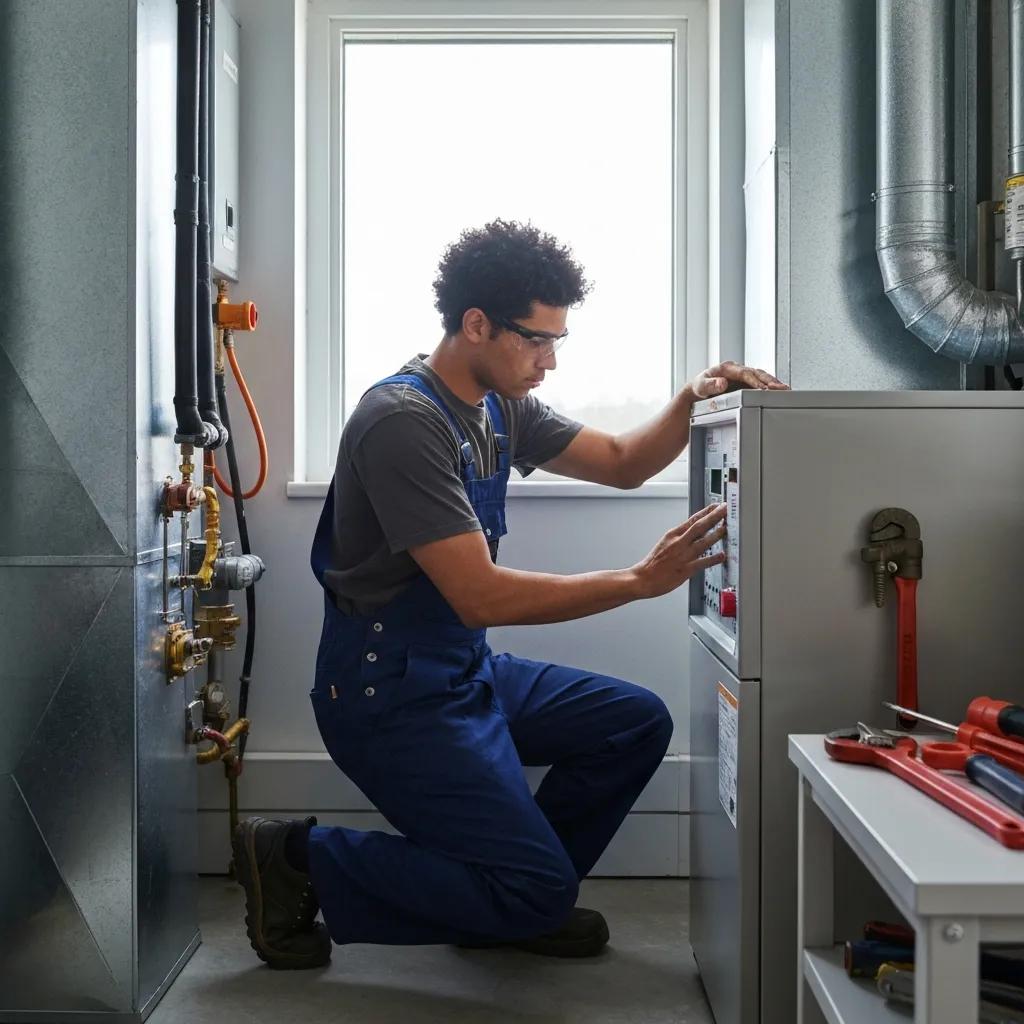
Short cycling happens when the furnace turns on and off too quickly—just a few minutes per cycle—instead of running through a normal heating cycle. It wastes energy, wears parts faster, and often points to airflow problems, thermostat placement issues, incorrect system sizing, or safety limits tripping from overheating. Fixing the root cause improves comfort and equipment life, but persistent short cycling usually needs a professional check of limits, controls, and system sizing. Below are common causes, simple homeowner checks, and clear signs to call a technician.
Short cycling often appears as lots of short on/off cycles and swinging indoor temperatures. Common causes include:
• Dirty filters or blocked return vents that cause overheating and trip safety limits
• Thermostat placed near a heat source or reading room temp inaccurately
• Furnace oversized for the home or control malfunctions
If short cycling continues after changing the filter and checking the thermostat, call a technician to inspect limit switches, blower performance, and control boards.
What Are the Signs of Furnace Short Cycling?
Count how many on/off cycles occur in an hour—more than about 4–6 cycles usually indicates a problem. You may hear the unit start up then stop quickly, notice rapid temperature swings, or see your energy bills rise without improved comfort. Other signs are unusually hot surfaces on the cabinet or a warm area around the furnace—both suggest overheating from restricted airflow or a failing blower. Early detection helps you fix a simple issue or get timely professional help.
When Should I Call a Professional for Furnace Short Cycling?
Call a pro if short cycling continues after basic steps like replacing filters, checking vents, and confirming thermostat settings. Immediate service is warranted for more than six cycles per hour, visible overheating inside the cabinet, control error codes, or strange smells or noises during cycles. A technician will measure temperature rise across the heat exchanger, test safety switches, evaluate blower performance, and check system sizing. Regular maintenance can prevent many causes of short cycling, so consider scheduling a diagnostic if it happens repeatedly.
How Do I Identify and Fix Thermostat Problems Affecting My Furnace?
The thermostat is the user interface for your heating system, so thermostat faults are a common source of heating issues. Problems range from dead batteries and misprogrammed schedules to wiring troubles or sensor errors in smart thermostats. Because the thermostat tells the furnace when to run, a faulty unit can stop the system from receiving the correct signal. Fixing thermostat issues is often quick and safe—replace batteries, check settings, or reset the device—but if wiring or compatibility is in question, call a professional to avoid damage.
What Are Common Thermostat Malfunctions That Impact Furnace Performance?
Typical thermostat issues include dead or low batteries, incorrect mode or schedule settings, sensor or calibration errors, and loose or damaged wiring. Symptoms vary: a blank display usually means dead batteries; odd heating patterns often come from misprogramming; and intermittent operation can point to wiring faults. Smart thermostats may show network or connectivity errors that a restart or re-connection fixes. Start with the simple checks—new batteries, correct mode, and a quick wiring glance—then escalate to a pro if problems persist.
How Can I Reset or Replace a Faulty Thermostat?
Begin with a controlled reset: replace batteries in battery-powered thermostats; for line-powered or digital models, switch off the furnace breaker for 30 seconds to power-cycle the system. Many smart thermostats also offer a factory reset option. If replacing the thermostat, shut off power at the breaker, label each wire as you remove the old unit, and follow the new thermostat manufacturer’s wiring guide when installing. For complex or line-voltage systems, or if you’re unsure about compatibility, hire a qualified technician. After installation, monitor the system to confirm stable operation and correct programming.
How Does a Dirty Furnace Filter Affect Performance and How Do I Replace It?
A dirty filter restricts airflow, which reduces heating performance, raises energy use, and increases wear on the blower. It can also lower indoor air quality by letting more dust and allergens circulate. As a filter loads with particles, the blower has to work harder, heat builds in the exchanger, and safety limits may shut the furnace down. Replacing the filter regularly is one of the easiest, most effective homeowner tasks to prevent problems and keep the system running efficiently. Below are quick steps for checking and replacing filters and a short table to help you pick the right type.
• Basic fiberglass — Typical Replacement Frequency: Every 1 month — Primary Benefit: Low cost; catches large debris but limited filtration
• Pleated disposable (MERV 8–11) — Typical Replacement Frequency: Every 3 months — Primary Benefit: Better particle capture with good airflow balance
• High-efficiency (MERV 13+) — Typical Replacement Frequency: Every 3 months (or follow manufacturer) — Primary Benefit: Improves indoor air quality; confirm blower can handle higher restriction
Choosing the right MERV rating balances cleaner air with adequate airflow—higher MERV filters capture smaller particles but can restrict flow if the blower isn’t sized for them. Replace filters more often if you have pets, allergies, or a dusty home.
What Are the Most Common Noises From a Furnace and What Do They Mean?
Noises from a furnace often point to specific issues: rattling can mean loose panels or debris, squealing usually indicates worn blower bearings or belts, and banging may signal delayed ignition or rapid duct expansion. Note when the noise happens—on startup, during operation, or at shutdown—to help isolate the source. Some sounds are simple maintenance issues you can check; others, especially those suggesting combustion problems, need immediate professional attention. The short list below maps common sounds to likely causes and safe homeowner steps to narrow the issue.
Common furnace sounds and likely causes:
• Rattling: loose access panels, unsecured ductwork, or small debris in the blower area
• Squealing: worn blower motor bearings or a slipping belt on older units
• Banging/boom: delayed ignition or rapid duct expansion when heated
If tightening panels or clearing debris doesn’t stop the noise, don’t keep running the unit—schedule a technician to check bearings, ignition timing, and the heat exchanger for safety.
What Causes Rattling, Squealing, and Banging Sounds in Furnaces?
Rattling commonly comes from loose screws, loose duct straps, or foreign objects and is often fixed with a quick visual check after powering down. Squealing that starts at startup and fades may point to bearings or belts; ongoing high-pitched noise usually means motor servicing or replacement is needed. Banging or booming at ignition suggests delayed ignition where gas builds up and ignites suddenly—this stresses the heat exchanger and is a safety concern. Always switch off power before opening panels and call a professional for anything beyond basic external checks.
How Can I Safely Address Furnace Noise Issues?
Start with safety: turn off the furnace at the switch or breaker, check for loose panels or obvious debris, and tighten what you can from the outside. For squealing or grinding noises, stop using the furnace for long periods and arrange a technician visit because motor repairs require specialist tools. If you hear banging or suspect combustion issues, do not operate the furnace—contact a qualified technician immediately. If you need local help, Lyons AC & Heating in Livingston, TX, provides heating diagnostics and repairs—our certified techs can assess noisy systems and recommend safe, effective repairs.
What Should Be Included in a Seasonal Furnace Maintenance Checklist?
A complete seasonal check should include replacing or inspecting filters, cleaning burners and flame sensors, testing ignition and safety controls, measuring temperature rise across the heat exchanger, lubricating moving parts when applicable, and inspecting ductwork and vents for leaks or blockages. Many of these tasks require a trained technician—homeowners can handle filter changes and basic vent checks, but combustion analysis and electrical diagnostics should be left to pros. Sticking to a checklist keeps systems efficient, reduces bills, and improves reliability during peak use.
Why Choose Professional Furnace Tune-Ups and Maintenance Plans?
Professional tune-ups go deeper than DIY checks: technicians measure combustion efficiency, test safety limits, confirm electrical connections, and spot subtle control issues that cause repeat problems. Maintenance plans commonly offer scheduled visits, priority service, discounts on repairs, and a service history that helps with long-term equipment planning. For Livingston homeowners, working with a local provider that has certified technicians and manufacturer partnerships—like Daikin Comfort Pro expertise—ensures service that understands brand-specific needs and responds quickly. If you’d like an appointment or a free estimate for seasonal maintenance, Lyons AC & Heating offers local, dependable plans designed to keep your system safe and efficient.
Real-Time Furnace Modeling and Diagnostics for Fault DetectionThis paper uses a typical furnace as an example to outline an approach for real-time modeling and diagnostics. It describes model fitting and sensor-fusion techniques to detect and diagnose faults in furnace systems.Real-time furnace modeling and diagnostics, CJ Spanos, 2002
Frequently Asked Questions
What are the benefits of regular furnace maintenance?
Regular maintenance keeps your furnace running safely and efficiently. It helps catch small issues before they turn into big repairs, lowers energy costs, and improves indoor air quality. Routine checks also verify safety components—reducing the risk of carbon monoxide—and can extend your furnace’s useful life. In short: fewer surprises, lower bills, and more reliable heat.
How often should I replace my furnace filter?
Replacement frequency depends on the filter type and your home. Basic fiberglass filters typically need changing every month; pleated filters usually last up to three months. High-efficiency filters may also be changed every three months, but follow the manufacturer’s guidance. Homes with pets, allergies, or lots of dust may require more frequent changes—check the filter monthly during heavy use.
What should I do if I smell gas near my furnace?
If you smell gas, act immediately: leave the building, avoid using switches or phones inside, and call your gas company or emergency services from a safe location. Do not try to find the leak yourself. Gas leaks are dangerous—get professionals involved right away.
Can I perform my own furnace repairs?
You can handle simple maintenance like changing filters, checking thermostat settings, and clearing vents. But repairs involving electrical components, gas lines, ignition systems, or the heat exchanger should be left to licensed technicians. If you’re unsure or your DIY steps don’t fix the problem, call a professional to avoid safety risks and further damage.
Conclusion
Knowing the common furnace problems and how to respond helps you keep your home comfortable and safe. For many issues—filters, thermostat checks, basic troubleshooting—you can act quickly and confidently. For gas, ignition, electrical, or heat-exchanger concerns, call a qualified technician. If you’d like local help in Livingston, TX, our team at Lyons AC & Heating is ready to diagnose, repair, and maintain your system so it runs reliably when you need it most.
Customer Testimonials
Our customers consistently praise our exceptional service and attention to detail, making us a trusted choice for all your HVAC needs.
Service Areas
Our service areas cover a wide range of locations, ensuring that we can meet your needs wherever you are. We are committed to providing top-notch service in every region we operate.