
Key Factors When Buying a New Furnace
Make informed choices for your new furnace with essential tips. Learn how to select the right model to enhance efficiency and reliability for your home.

How to Choose the Right Furnace: A Practical Guide to Efficient, Cost-Smart Heating
Buying a new furnace is one of the bigger home investments you’ll make. The right unit keeps your house comfortable, lowers your energy bills, and lasts for years. This guide walks you through the most important factors—efficiency, sizing, fuel choice, costs, and warranties—so you can pick a furnace that fits your home and your budget. We’ll break down AFUE ratings, how to size a furnace correctly, fuel pros and cons, and what to look for in brand reputation and warranty protection.
What Is Furnace Efficiency and Why AFUE Matters for Your Bills
Furnace efficiency tells you how much of the fuel a unit turns into usable heat. AFUE, or Annual Fuel Utilization Efficiency, is the standard measurement and it’s shown as a percentage. A higher AFUE means more of the fuel becomes heat and less is wasted—so your furnace runs cheaper. For instance, a furnace with an 80% AFUE rating converts 80 cents of every dollar spent on fuel into heat, while a 95% AFUE unit converts 95 cents. In colder places or long heating seasons, a higher AFUE can make a noticeable difference on your energy bill, potentially saving you hundreds of dollars annually.
Studies quantify how furnace efficiency changes overall energy use across different home types.
Residential Furnace Energy Consumption & Efficiency
The calculation in this report estimates how much energy furnaces of varying efficiencies would use if installed across the U.S. housing stock, focusing on non-weatherized gas models.
Modeling energy consumption of residential furnaces and boilers in US homes, J McMahon, 2004
How AFUE Affects Real-World Performance
AFUE shows the percentage of fuel converted to heat over a year. For example, a 90% AFUE furnace uses 90% of the fuel for heat; the other 10% is lost out the flue. This means for every $100 you spend on heating fuel, $10 is wasted with a 90% AFUE unit, compared to $20 wasted with an 80% AFUE unit. Higher AFUE usually means lower operating costs and a smaller carbon footprint. For many homeowners—especially where winters are cold—aiming for 90% AFUE or higher is a smart move, as it can lead to 10-20% lower heating bills compared to older, less efficient models (typically 60-70% AFUE).
Choosing a High-Efficiency Furnace for Livingston, TX
In Livingston, TX, aim for furnaces with AFUE above 90% if you want solid efficiency and savings. Look for extras like variable-speed blowers and modulating gas valves—these features improve comfort and cut energy use significantly. A variable-speed blower can reduce electricity consumption by up to 70% compared to a standard single-speed motor, while a modulating gas valve can maintain indoor temperatures within 1-2 degrees Fahrenheit, preventing uncomfortable temperature swings. If you want local advice, reach out to Lyons AC & Heating—we can match options to your home and budget.
How Do You Determine the Right Furnace Size for Your Home?
Getting the size right is crucial. Furnace size is measured in British Thermal Units (BTUs) per hour. An undersized furnace won’t keep your home comfortable, struggling to reach desired temperatures on the coldest days. An oversized one will cycle too often (short-cycling), waste energy, and wear out faster due to increased stress on components. Proper sizing accounts for square footage, insulation quality (e.g., R-value of walls and attic), window area, ceiling height, and local climate—details a qualified technician will use to calculate your precise heating needs, typically ranging from 20-60 BTUs per square foot depending on these factors.
Why Proper Sizing Improves Comfort and Cuts Costs
A correctly sized furnace keeps temperatures even throughout your home, typically maintaining them within 1-2 degrees Fahrenheit of your thermostat setting. It reduces short-cycling, which not only saves energy but also extends the lifespan of your unit by minimizing wear and tear on the motor and other components. Oversized units create noticeable temperature swings, increase humidity levels, and stress system components, leading to more frequent repairs and potentially 10-15% higher energy consumption. Accurate sizing helps you get reliable comfort and the best long-term value from your system, often translating to hundreds of dollars in savings over its lifetime.
Steps to Calculate BTU Needs
• Measure your home's square footage: Accurately measure the length and width of each heated room and sum them up. For example, a 2,000 sq ft home is a common starting point for calculations.
• Check insulation: Assess the quality of your attic, wall, and floor insulation. Homes with poor insulation (e.g., attic R-value below R-30) will require significantly more BTUs per square foot than well-insulated homes.
• Factor in local climate: Use average winter conditions for your area, specifically the design temperature (the lowest expected outdoor temperature). In Livingston, TX, with its relatively mild winters, you might estimate 25-30 BTUs per square foot, while colder northern climates could require 40-50 BTUs per square foot.
• Use a BTU calculator: Online tools or, more reliably, a professional HVAC technician can use a Manual J load calculation to estimate the precise BTUs you need, factoring in window types, ceiling height, number of occupants, and even appliance heat gains.
When you combine accurate measurements with professional input, you’ll choose a furnace sized for efficient, consistent heating.
Which Fuel Type Is Best: Gas, Electric, Propane, or Oil?
Your fuel choice affects running costs, installation, and convenience. Each fuel type has a typical efficiency range and average cost per BTU, which are critical factors in your decision. Below are the typical advantages and trade-offs for each fuel type so you can weigh what matters most for your home.
Pros and Cons of Each Furnace Fuel
• Natural Gas:Pros: Lower fuel costs in many areas (often $0.80-$1.50 per therm), fast heat delivery, and high efficiency (AFUE typically 80-98%).Cons: Needs a gas line—may not be available everywhere, and installation can be more complex if a line needs to be extended.
• Electric:Pros: Simple installation, no on-site fuel storage, lower upfront cost for the unit.Cons: Often higher operating costs (electricity can be 2-3 times more expensive per BTU than natural gas, e.g., $0.10-$0.20 per kWh), and slower heat delivery. Electric furnaces are 100% efficient at converting electricity to heat, but the cost of electricity itself can be prohibitive.
• Propane:Pros: Good option where natural gas isn’t available—effective heating with AFUE typically 80-98%. It's a clean-burning fuel.Cons: Fuel can cost more than natural gas (e.g., $2.00-$3.50 per gallon), and you need a large, on-site storage tank, which requires space and regular refills.
• Oil:Pros: Strong heat output—works well in very cold climates, with AFUE typically 80-90%.Cons: More maintenance required (e.g., annual nozzle and filter changes), price can fluctuate significantly, and you need an on-site storage tank. It also produces more emissions than natural gas or propane.
How Local Fuel Supply Shapes Your Choice in Livingston, TX
In Livingston, natural gas is common and often the most economical choice, with widespread availability in urban and suburban areas. Natural gas prices per BTU are generally the lowest among the options. In more rural spots where natural gas lines are not accessible, propane is a practical alternative, though its cost per BTU is typically higher than natural gas. Electric furnaces are an option for homes without gas access, but their operating costs are usually the highest. Check local fuel prices and availability before deciding so your choice makes sense for running costs and convenience.
Single-Stage, Two-Stage, or Modulating: Which Furnace Type Should You Pick?
Different furnace control types affect comfort and efficiency, primarily by varying their heat output. Here’s how they compare so you can match features to your goals.
How Heating Stages Change Comfort and Efficiency
• Single-Stage Furnaces: These are the most basic and affordable. They run at one full power level (100% capacity) whenever heat is called for, regardless of how much heat is actually needed. This can cause noticeable temperature swings of 3-5 degrees Fahrenheit and less consistent comfort. Their efficiency is typically 80-90% AFUE.
• Two-Stage Furnaces: These offer two output levels: a lower setting (e.g., 60-70% capacity) for mild conditions and a higher setting (100% capacity) for colder days. This allows for steadier heat delivery, reducing temperature swings to 2-3 degrees Fahrenheit, and significantly better efficiency (typically 90-96% AFUE) because the furnace runs longer at a lower, more efficient setting.
• Modulating Furnaces: These are the most advanced and efficient. They continuously adjust their output in small increments (often 1% increments) from as low as 40% up to 100% capacity. This provides the smoothest temperature control, maintaining temperatures within 1 degree Fahrenheit, and the highest efficiency (typically 95-98.5% AFUE) by precisely matching the home's heating demand.
Frequently Asked Questions
What is the average lifespan of a furnace?
Furnaces typically last between 15 and 30 years. Lifespan depends on the type of unit, how well it’s maintained, and how often it runs. Gas furnaces often last 20-25 years, while electric models might be closer to 15-20 years due to different component stresses. If your furnace is over 15 years old and having frequent issues, replacing it with a newer, more efficient model is usually a better value, as it can save you 10-30% on energy bills.
How often should I service my furnace?
We recommend annual service—ideally before heating season—to keep the system running safely and efficiently. A tech will clean, inspect, and tune key components, which can improve efficiency by 5-10% and prevent costly breakdowns. Also change or check filters every 1–3 months to maintain airflow and efficiency; a dirty filter can reduce airflow by up to 50%.
What are the signs that my furnace needs repair?
Watch for loud or unusual noises (e.g., banging, squealing), uneven heating across rooms, higher energy bills (a sudden 10-20% increase), or frequent cycling (turning on and off more than 6-8 times per hour). A yellow pilot flame (instead of blue) can indicate incomplete combustion issues—this is a serious safety concern due to potential carbon monoxide leaks. If you notice any of these signs, call a licensed HVAC technician for an inspection immediately.
Can I install a furnace myself?
We don’t recommend DIY furnace installation. Proper installation involves complex gas and electrical work that must meet local codes for safety and efficiency. Poor installation can void manufacturer warranties, lead to dangerous gas leaks or electrical fires, and result in inefficient operation that costs you more in energy bills. Always hire a licensed professional to ensure it’s done right and safely.
What should I do if my furnace is blowing cold air?
First, check the thermostat and make sure it’s set to “heat” and the temperature setting is at least 5 degrees Fahrenheit above the current room temperature. Next, inspect the air filter—if it’s dirty, replace it, as a clogged filter can restrict airflow and cause the system to overheat and shut down. If those steps don’t help, call a technician; the issue may be with the ignition system, pilot light, flame sensor, or other internal components requiring professional diagnosis.
Are there energy-efficient furnace options available?
Yes. Many modern furnaces have AFUE ratings of 90% or higher, with some reaching up to 98.5% AFUE. They often include advanced technologies like variable-speed blowers and modulating gas valves. These features significantly improve efficiency and comfort and may qualify you for federal tax credits (up to $600) or local utility rebates (ranging from $100-$1,000), helping to offset the initial investment.
Conclusion
Picking the right furnace improves comfort and can lower your energy bills for years. Focus on AFUE ratings (aiming for 90%+), correct sizing (using professional Manual J calculations), the most economical fuel type for your area, and reliable brands with strong warranties (10-year parts coverage is ideal). If you’d like help choosing the best option for your home, contact local pros—Lyons AC & Heating can walk you through the choices and provide a tailored recommendation.
Customer Testimonials
Our customers consistently praise our exceptional service and attention to detail, making us a trusted choice for all your HVAC needs.
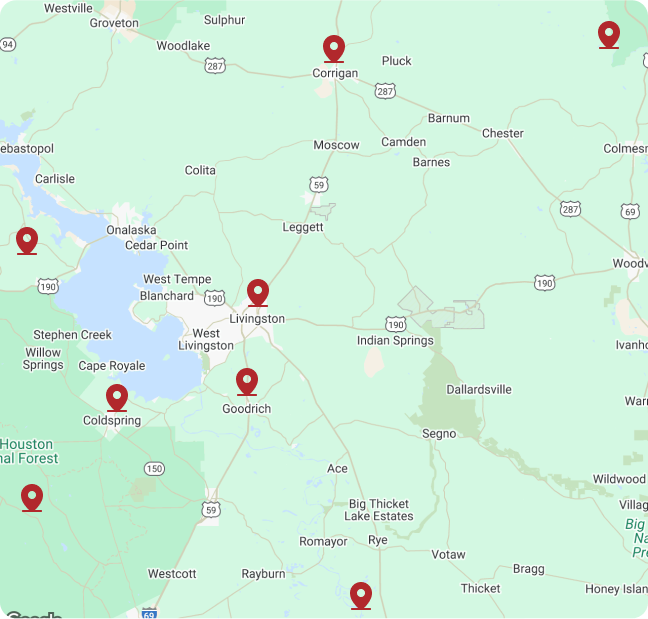
Service Areas
Our service areas cover a wide range of locations, ensuring that we can meet your needs wherever you are. We are committed to providing top-notch service in every region we operate.